Why Retaining Walls Fail
A retaining wall does a difficult job. It holds soil in place, manages grade changes, supports patios or driveways, and helps shape outdoor space. When a retaining wall is not built correctly, it may lean, crack, bulge, separate, or collapse. Many failures are caused by poor drainage rather than weak materials.
Soil behind a retaining wall becomes heavy when saturated with water. Without a path for that water to escape, pressure builds behind the wall. Over time, that pressure can push the wall forward. This is why drainage is the difference between a wall that lasts and a wall that fails.
Signs You Need Retaining Wall Repair
Look for leaning sections, stair-step cracks, loose capstones, separated blocks, bulging areas, washed-out soil, standing water behind the wall, or gaps between the wall and adjoining surfaces. If a wall is close to a driveway, patio, walkway, or foundation, movement can affect those areas as well.
A small crack may be repairable, but a wall that is leaning heavily or separating from the base may need partial or complete rebuilding. A professional inspection helps determine whether the wall can be stabilized or whether reconstruction is safer.
Drainage Features That Matter
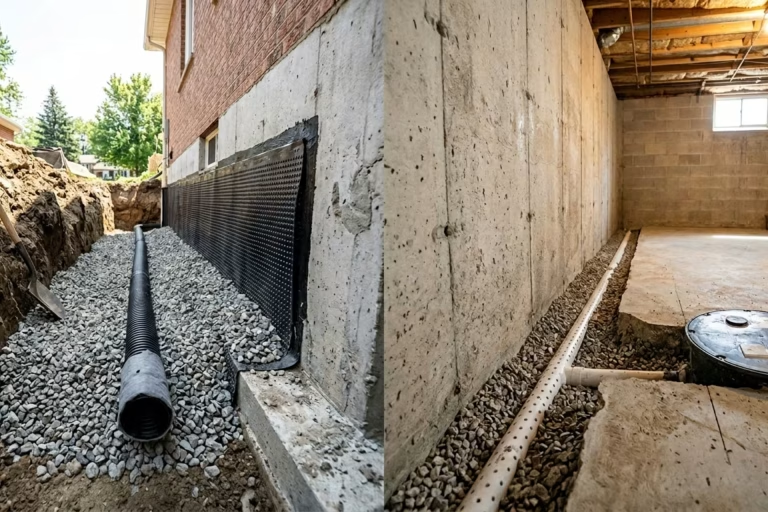
Good retaining wall drainage may include gravel backfill, filter fabric, perforated drain pipe, weep holes, proper grading, and safe discharge points. The goal is to reduce water pressure behind the wall and move water away from vulnerable areas. Drainage should never send water toward the foundation or basement.
In many New York and New Jersey properties, retaining walls are located near sloped yards, driveways, basement entrances, patios, or exterior steps. This makes drainage planning even more important. A wall repair should solve water movement, not simply replace cracked blocks.
Choosing Materials
Retaining walls can be built from concrete block, natural stone, brick, poured concrete, or segmental retaining wall units. Each material has advantages. Natural stone offers a timeless look. Segmental units can provide engineered strength. Brick may match existing masonry. Concrete can work well for structural needs.
The best choice depends on wall height, soil pressure, appearance, budget, drainage conditions, and local requirements. Taller walls or walls supporting heavy loads may require engineering. Optane Masonry can help homeowners understand their options and plan a durable solution.
How Retaining Walls Connect to Other Services
Retaining walls often connect with patios, walkways, steps, driveways, foundation drainage, and basement waterproofing. If a wall is failing because of water, nearby drainage improvements may also be needed. If the wall supports a patio, the patio surface may need resetting. If water is flowing toward the house, French drain installation or grading correction may help protect the basement.
Optane Masonry and Home Improvements provides masonry, hardscaping, basement waterproofing, foundation repair, French drains, and sump pump installation. This makes it easier to solve the full property problem instead of treating one symptom at a time.
Build It Right the First Time
A retaining wall is not the place to cut corners. Proper base preparation, drainage, material selection, and construction details all matter. If your wall is cracked, leaning, or holding water, schedule an inspection before the damage spreads.
For retaining wall repair and installation in New York or New Jersey, contact Optane Masonry and Home Improvements.
Local Service Area Focus
Homeowners searching online usually want a contractor who is close enough to respond quickly and experienced enough to understand local property conditions. Optane Masonry and Home Improvements serves communities throughout New York and New Jersey, including East Rockaway, Freeport, Flushing, Floral Park, Jackson Heights, Queens, Yonkers, Poughkeepsie, Peekskill, and Carmel Hamlet. This local coverage helps homeowners find practical help for masonry, waterproofing, roofing, chimney, hardscaping, and foundation needs without dealing with a one-size-fits-all approach.
Each project starts with a clear look at the property, the visible damage, the surrounding drainage, and the long-term goal of the homeowner. That matters because exterior home improvement problems are often connected. A cracked stoop may be related to settlement. A roof leak may be tied to chimney flashing. Basement water may point to foundation cracks or poor grading. By looking at the entire property, Optane Masonry can recommend repairs that make sense, protect the home, and help avoid repeated problems. This approach also gives searchers useful information before they call, which improves trust and helps the right customers choose the right service.