Why French Drains Are Used
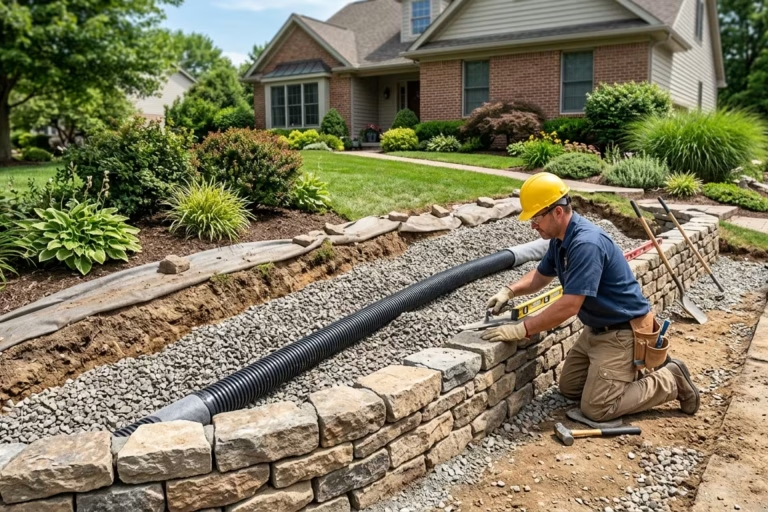
A French drain is a drainage system designed to collect water and move it away from an area where it can cause damage. For homeowners with wet basements, foundation moisture, or water pooling near the house, French drain installation can be one of the most effective ways to control groundwater. The system typically uses a perforated pipe surrounded by gravel and filter fabric so water can enter the pipe and flow to a safe discharge point.
French drains can be installed inside the basement or outside the foundation. Both systems can work well, but they solve water problems in different ways. Choosing the right one depends on the home, soil, foundation condition, accessibility, and where the water is coming from.
Interior French Drains
An interior French drain is installed along the inside perimeter of the basement floor. Water that enters near the wall-floor joint or below the slab is collected and directed to a sump pump. This type of system is common for homes with basement seepage, hydrostatic pressure under the slab, or leaks where the wall meets the floor.
Interior systems are often less disruptive than exterior excavation because the work happens inside the basement. They can be especially useful when patios, driveways, decks, landscaping, or neighboring properties make exterior access difficult. However, an interior drain manages water after it reaches the foundation area rather than stopping it outside.
Exterior French Drains
An exterior French drain is installed outside the foundation, usually near the footing. It collects groundwater before it presses against the basement wall. Exterior systems may be paired with waterproof membranes, drainage board, gravel backfill, and grading improvements. This approach can reduce pressure against the foundation and help protect basement walls from moisture exposure.
Exterior French drains often require excavation, which can make the project more involved. The benefit is that they address water at the source. For homes with severe exterior water pressure, damaged foundation walls, or recurring basement leaks, exterior waterproofing may be the strongest long-term option.
The Role of Sump Pumps
Many interior drainage systems rely on a sump pump. The pump collects water in a pit and discharges it away from the home. Proper sump pump installation matters. The discharge line must send water far enough away so it does not return to the foundation. Backup options may be recommended for homes with frequent power outages or high water tables.
Exterior drains may drain by gravity if the property allows, or they may also connect to a sump system. A waterproofing contractor should explain where the water will go and how the system will be maintained.
How to Choose the Right System
The best system depends on the inspection findings. If water enters through the wall-floor joint during heavy rain, an interior French drain and sump pump may be practical. If the basement wall is exposed to constant water pressure from outside, exterior waterproofing and exterior drains may be better. If foundation cracks are present, crack repair should also be included.
Sometimes the right solution combines both approaches. For example, exterior grading and downspout extensions may reduce water near the home, while an interior drain provides protection during storms. Optane Masonry and Home Improvements evaluates the full property instead of recommending one system for every home.
Protect the Basement and Foundation
Waterproofing basement walls is not only about keeping the floor dry. It is also about protecting the foundation, preventing mold conditions, reducing odors, and making the basement more usable. When installed correctly, French drains and sump pumps can provide long-term protection.
For interior French drains, exterior French drains, basement waterproofing, and sump pump installation in New York or New Jersey, contact Optane Masonry and Home Improvements.
Local Service Area Focus
Homeowners searching online usually want a contractor who is close enough to respond quickly and experienced enough to understand local property conditions. Optane Masonry and Home Improvements serves communities throughout New York and New Jersey, including East Rockaway, Freeport, Flushing, Floral Park, Jackson Heights, Queens, Yonkers, Poughkeepsie, Peekskill, and Carmel Hamlet. This local coverage helps homeowners find practical help for masonry, waterproofing, roofing, chimney, hardscaping, and foundation needs without dealing with a one-size-fits-all approach.
Each project starts with a clear look at the property, the visible damage, the surrounding drainage, and the long-term goal of the homeowner. That matters because exterior home improvement problems are often connected. A cracked stoop may be related to settlement. A roof leak may be tied to chimney flashing. Basement water may point to foundation cracks or poor grading. By looking at the entire property, Optane Masonry can recommend repairs that make sense, protect the home, and help avoid repeated problems. This approach also gives searchers useful information before they call, which improves trust and helps the right customers choose the right service.