
- Driveway Repair, Resurfacing & Replacement
Driveway Services Based in Elizabeth, NJ
Optane Masonry & Home Improvements provides professional driveway services from our Elizabeth, NJ base, serving homeowners throughout North Jersey and selected New York areas.
- Driveways can develop cracks, depressions, broken edges, drainage problems, surface wear, settlement, and deterioration as materials age and the supporting base changes.
- Depending on the condition, the right solution may involve localized repair, resurfacing, resetting materials, improving drainage, or replacing part or all of the driveway.
- Contact Optane Masonry
Request Your Free Estimate Today!
- Driveway Solutions for Local Properties
Driveway Services in Elizabeth, NJ
Optane Masonry & Home Improvements is based in Elizabeth, NJ and provides driveway repair, resurfacing, installation, and replacement services throughout the city and surrounding parts of Union County.
Driveways are exposed to vehicle traffic, rain, temperature changes, runoff, and normal material aging. Over time, asphalt may crack or become worn, concrete sections can move or deteriorate, and paver driveways may develop uneven or loose areas.
- Drainage is also important. Low sections and surrounding runoff can contribute to standing water, washout, edge deterioration, and movement in the materials beneath a driveway.
- Our services are intended to address both the visible condition of the driveway and relevant supporting conditions where necessary.
From our Elizabeth base, service is available in nearby communities including Union, Linden, Hillside, Roselle, Roselle Park, Cranford, Rahway, Springfield, Newark, and other selected North Jersey locations.
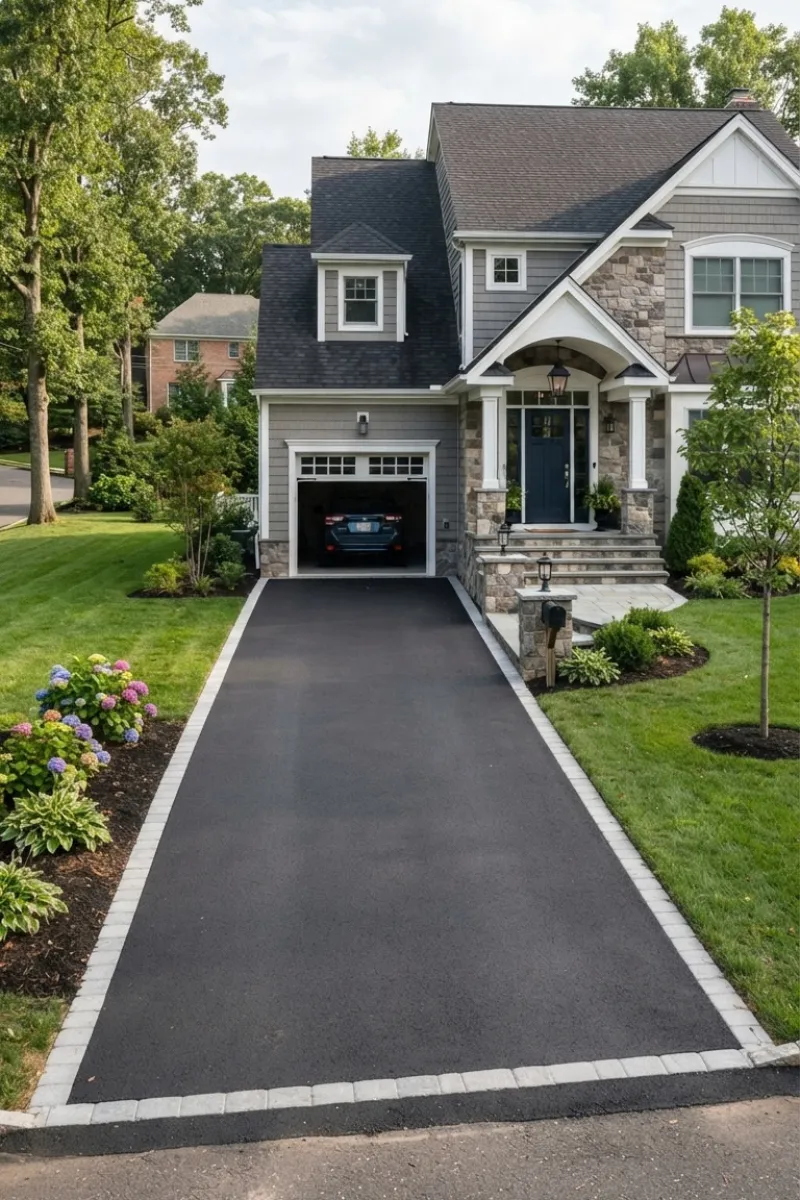
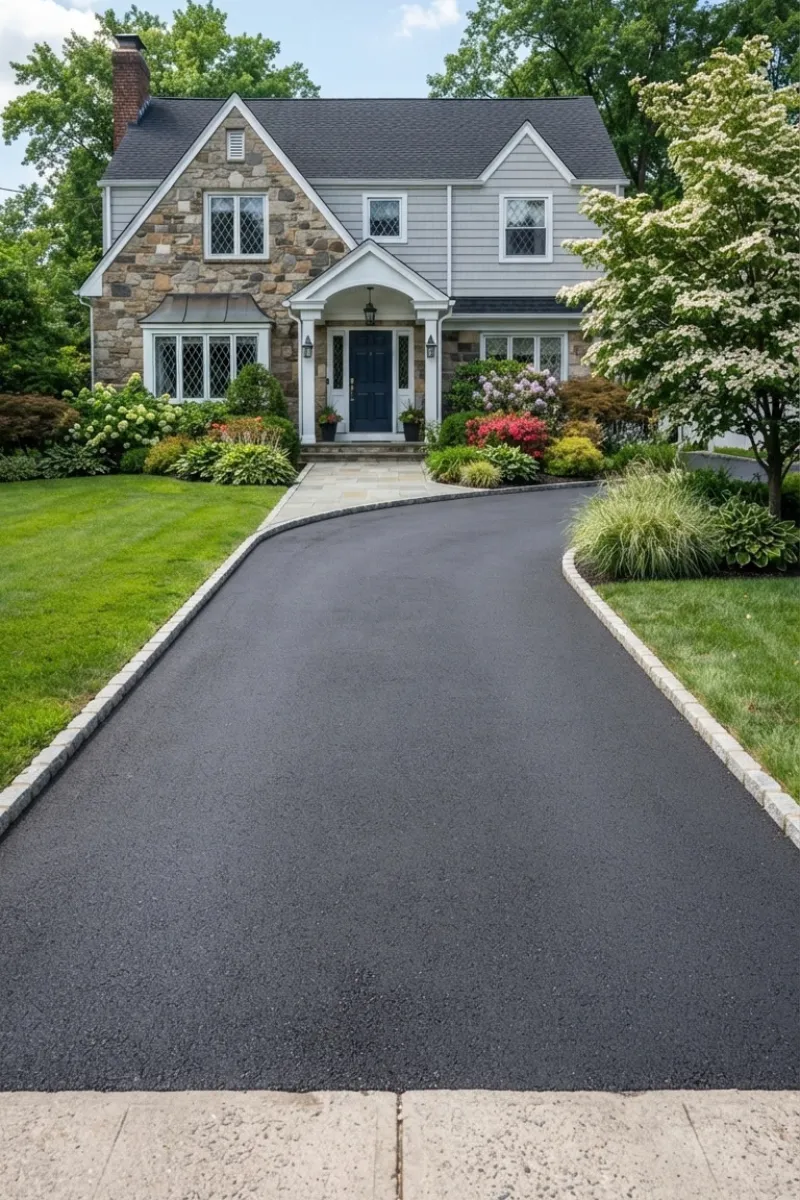
Asphalt Driveway Repair & Installation
Asphalt driveways can develop cracking, surface wear, depressions, edge deterioration, and isolated damaged areas over time. Smaller problems may sometimes be repaired, while more widespread deterioration can require resurfacing or replacement.
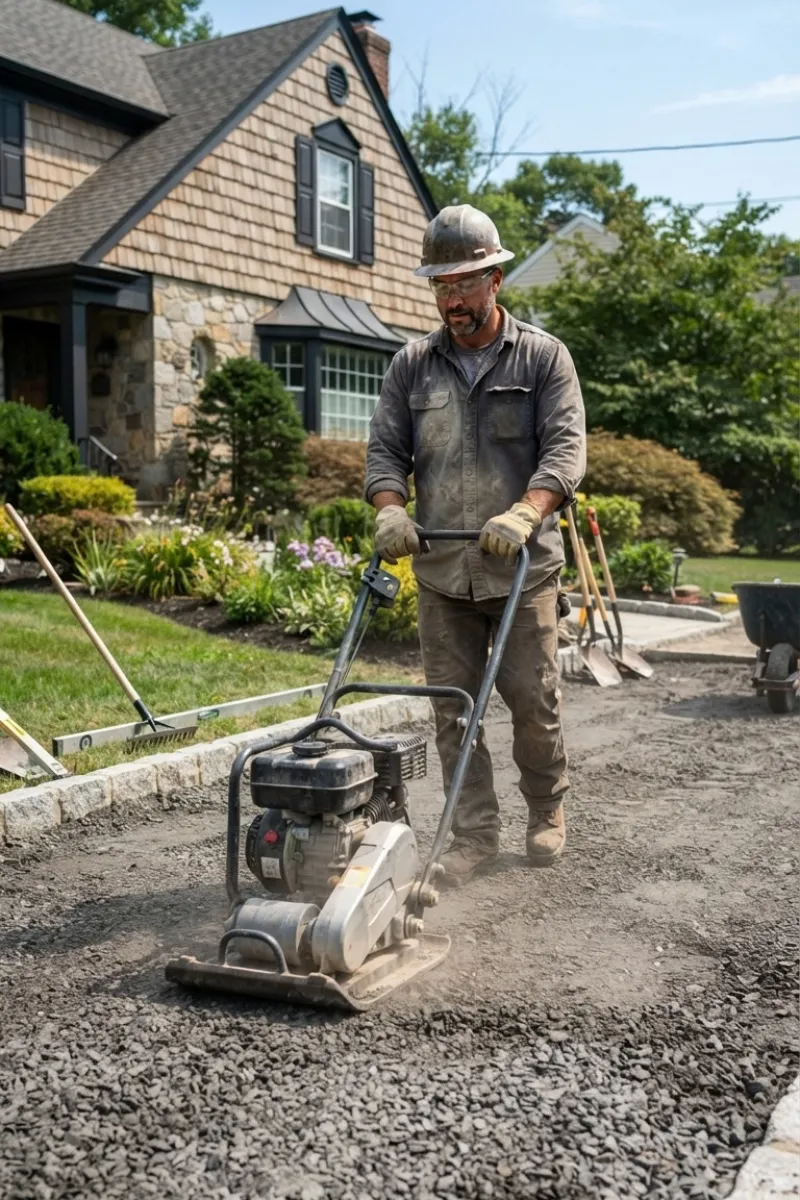
- New asphalt driveway installations also depend on proper preparation of the supporting base, grading, and drainage.
- The condition beneath the asphalt matters because a new surface placed over an unstable base may develop problems again.
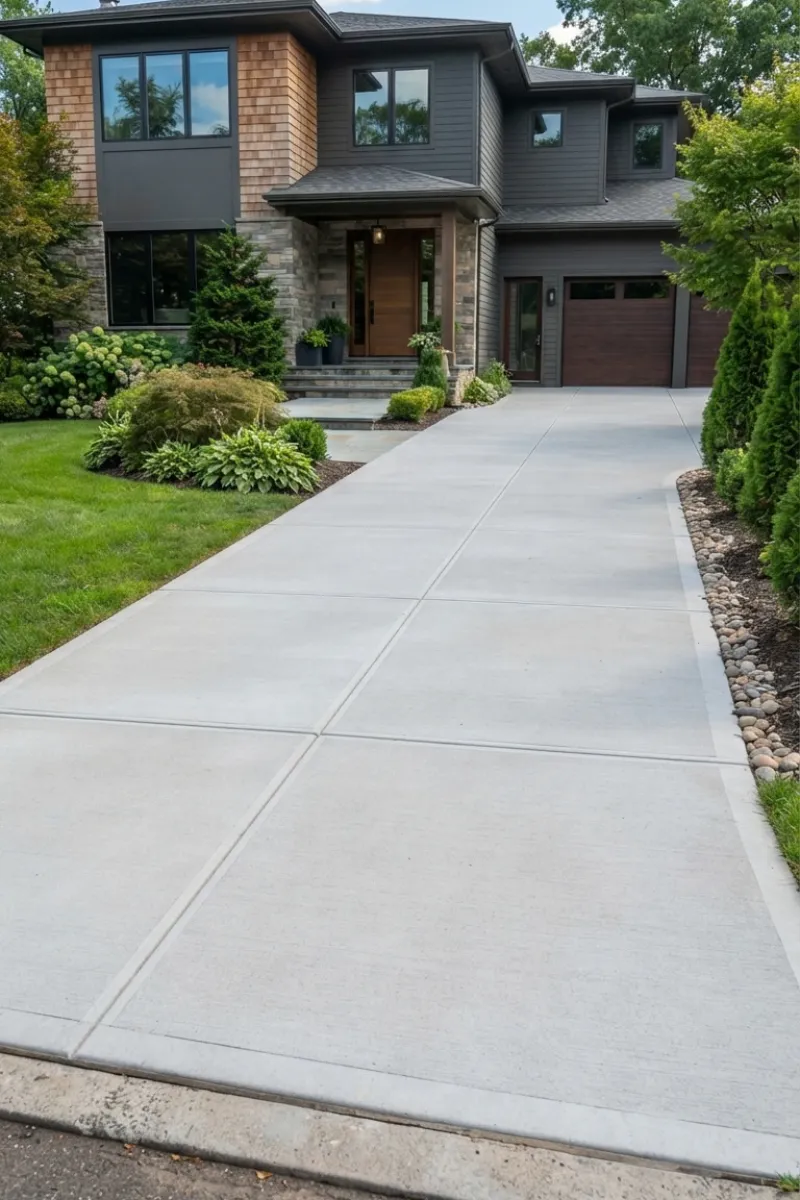
Concrete Driveways
Concrete driveways provide a durable paved surface but may develop cracks, spalling, uneven sections, damaged edges, or settlement.
- The repair approach depends on whether deterioration is mainly cosmetic, limited to one section, or connected to movement beneath the slab.
- Some damaged areas may be repairable, while more extensive cracking or movement can make partial or full replacement more practical.
Paver & Interlock Driveways
Paver driveways use individual paving units installed over a prepared base. If sections become uneven, individual pavers can often be lifted so the underlying material can be corrected before the surface is reset.
- Work may also involve replacing damaged units, restoring joints, correcting edge movement, or rebuilding larger areas when settlement is more extensive.
Driveway Repair & Resurfacing
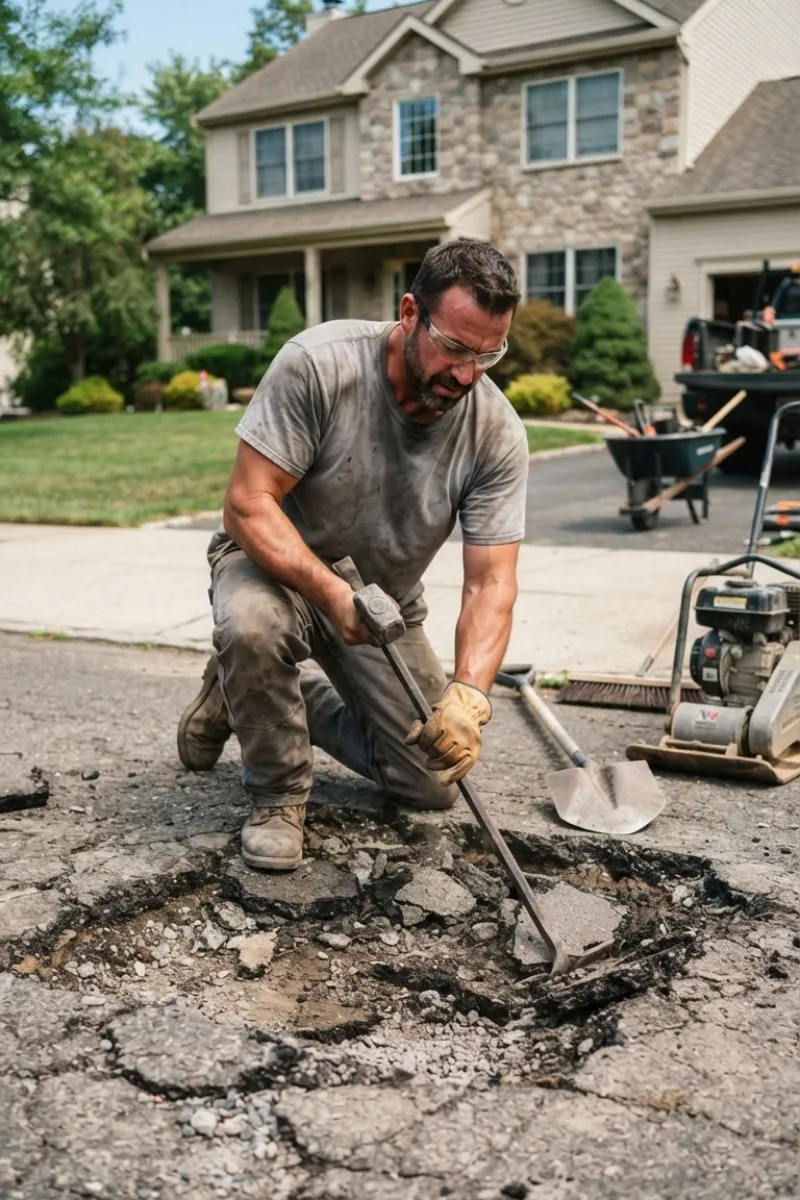
Not every deteriorated driveway requires complete replacement. Localized repair may address individual cracks, damaged sections, depressions, or edge problems.
- Resurfacing may be considered when the underlying driveway remains suitable but the upper asphalt surface has become extensively worn.
- The condition of the existing pavement and base should be evaluated before deciding whether repair or resurfacing is appropriate.
Driveway Replacement & New Installation
Replacement may be appropriate when deterioration is widespread, the base has failed, repeated repairs are no longer practical, or the existing driveway has reached a condition where smaller repairs would provide limited value.
- New driveway installation typically requires removal or preparation of the existing area, base preparation, grading, and installation of the selected surface material.
Driveway and Retaining Wall Coordination
Driveways located near retaining walls may require careful drainage planning.
Problems may include
- Soil pressure behind walls
- Runoff collecting at the wall base
- Driveway settlement near the wall
- Water emerging through wall joints
- Cracking near the driveway edge
- Wall leaning or bowing
In these cases, driveway repair and retaining wall drainage should be reviewed together.
- Professional Driveway Services
Asphalt, Concrete & Paver Driveway Services
The appropriate solution depends on the driveway material, extent of deterioration, condition of the supporting base, and whether the issue is isolated or widespread.
- Practical Solutions for Driveways
Common Driveway Problems We Help Solve
Driveway damage can develop for different reasons, even when the visible symptoms look similar. Cracking may involve normal aging in one driveway and base movement in another. Understanding the underlying condition helps determine whether repair, resurfacing, resetting, or replacement is more appropriate.
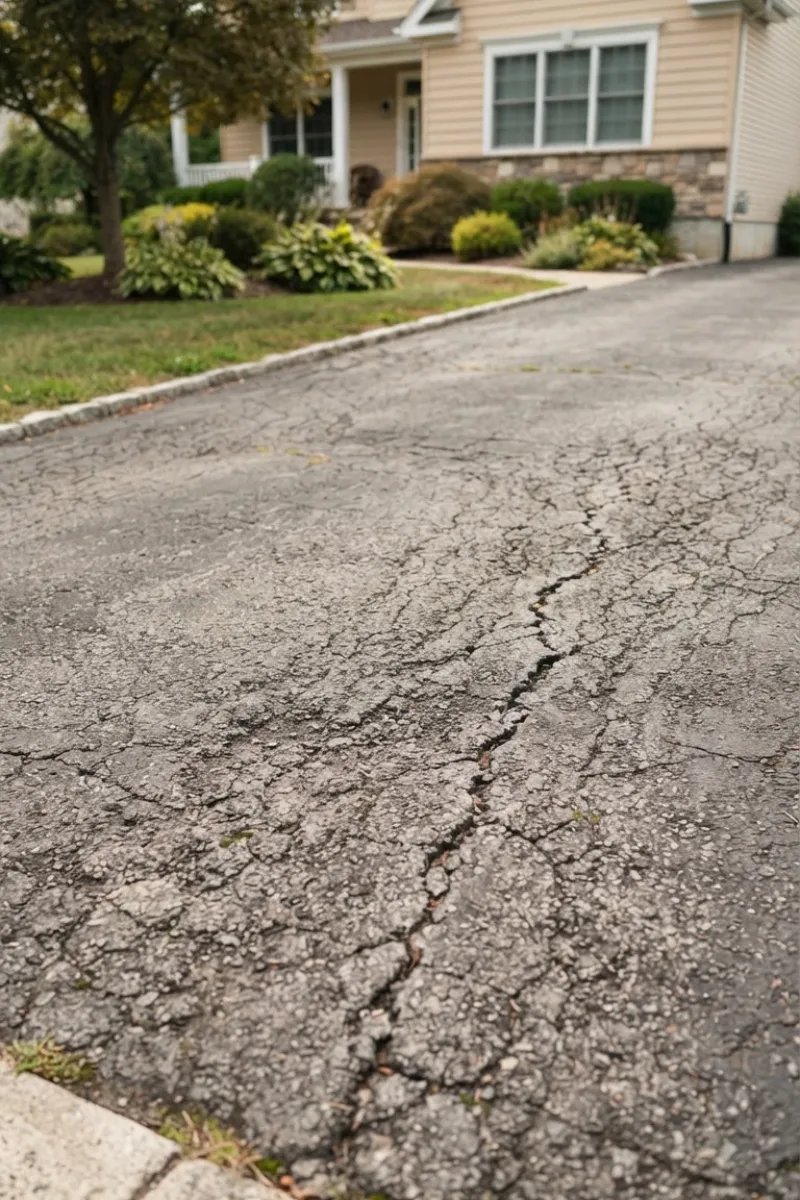
Cracks Across the Driveway
Problem:
Small or large cracks may develop across asphalt or concrete surfaces, allowing water to enter and deterioration to spread.
Possible Cause:
Aging, temperature changes, base movement, settlement, moisture, heavy loads, or previous repairs may contribute to cracking.
Recommended Solution:
Cracks should be evaluated along with surrounding pavement to determine whether repair, resurfacing, or replacement is appropriate.
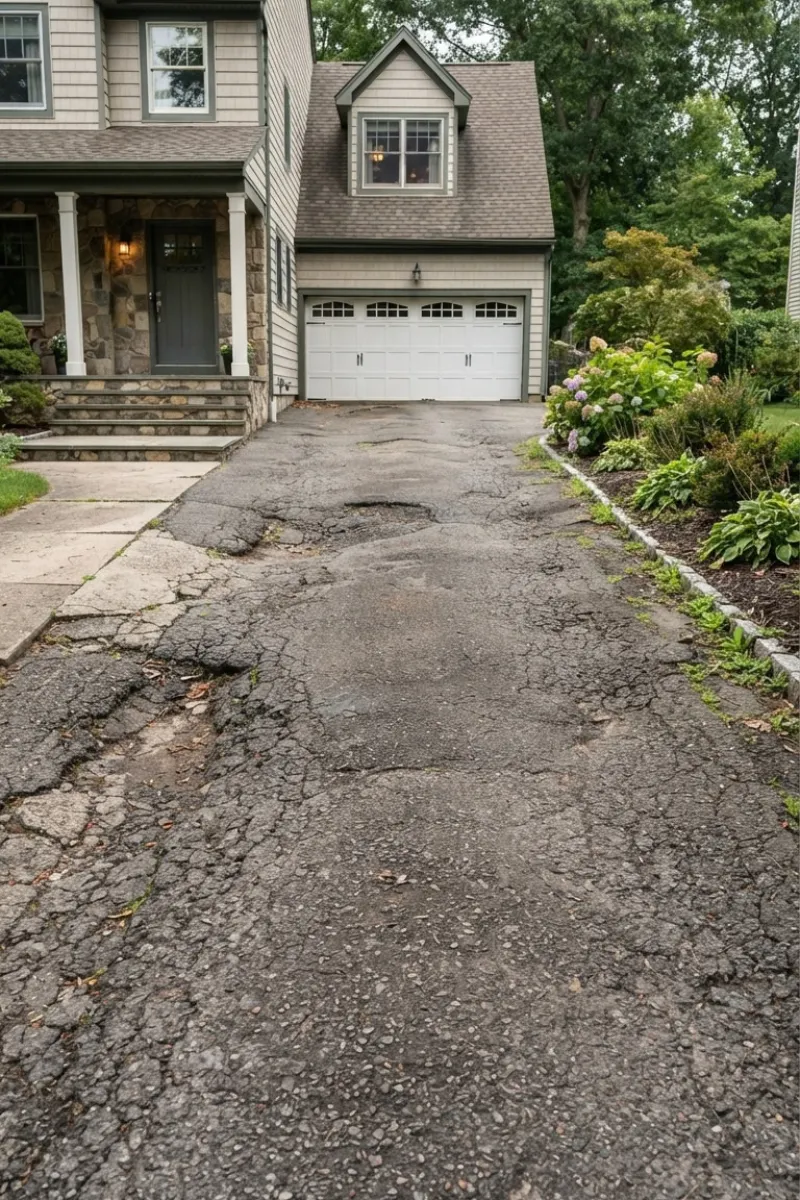
Sunken or Uneven Areas
Problem:
Parts of the driveway may sit lower than surrounding sections, creating uneven surfaces, dips, or areas where vehicles noticeably drop.
Possible Cause:
Settlement, base washout, insufficient compaction, drainage problems, or movement beneath the paved surface may contribute.
Recommended Solution:
The affected section and underlying base should be evaluated before resetting, repairing, rebuilding, or replacing the area.
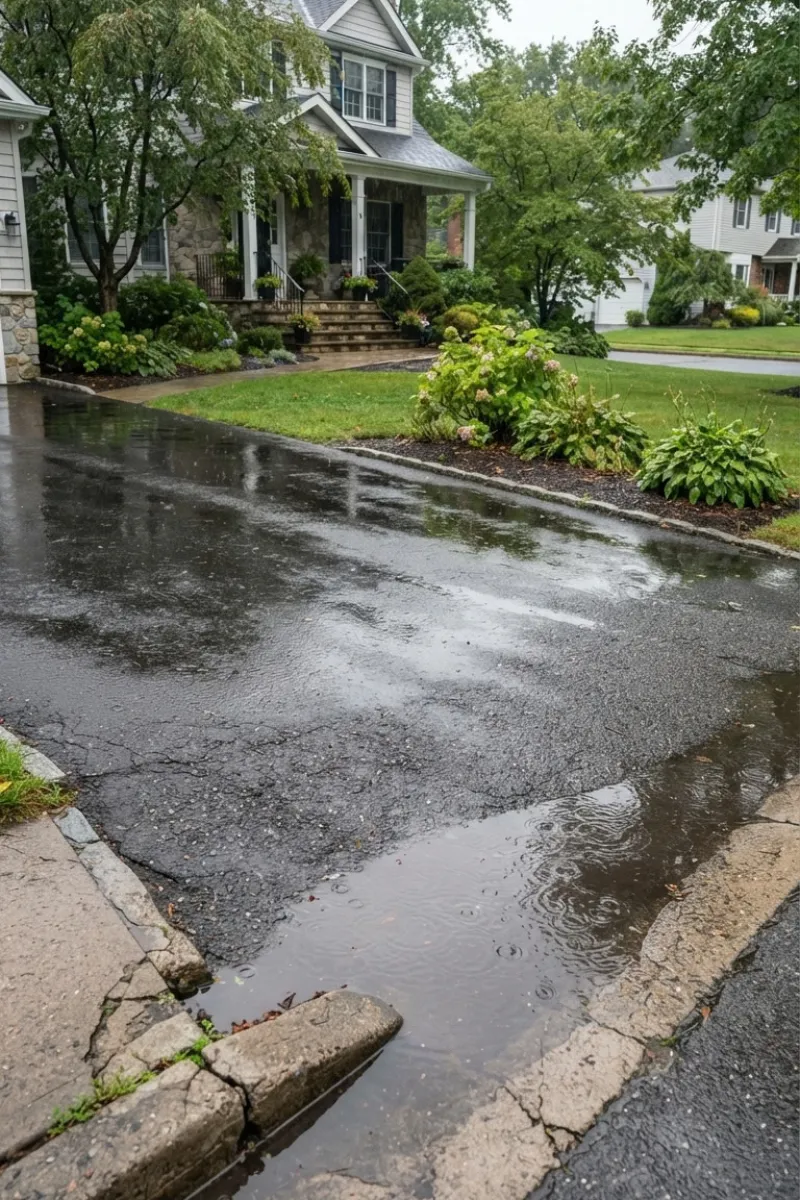
Standing Water on the Driveway
Problem:
Rainwater may remain in low sections of the driveway instead of draining away, forming puddles that return after storms.
Possible Cause:
Low spots, settlement, poor grading, blocked drainage routes, base movement, or surrounding runoff may contribute.
Recommended Solution:
Surface levels and nearby drainage should be assessed before correcting the driveway grade, low areas, or drainage path.
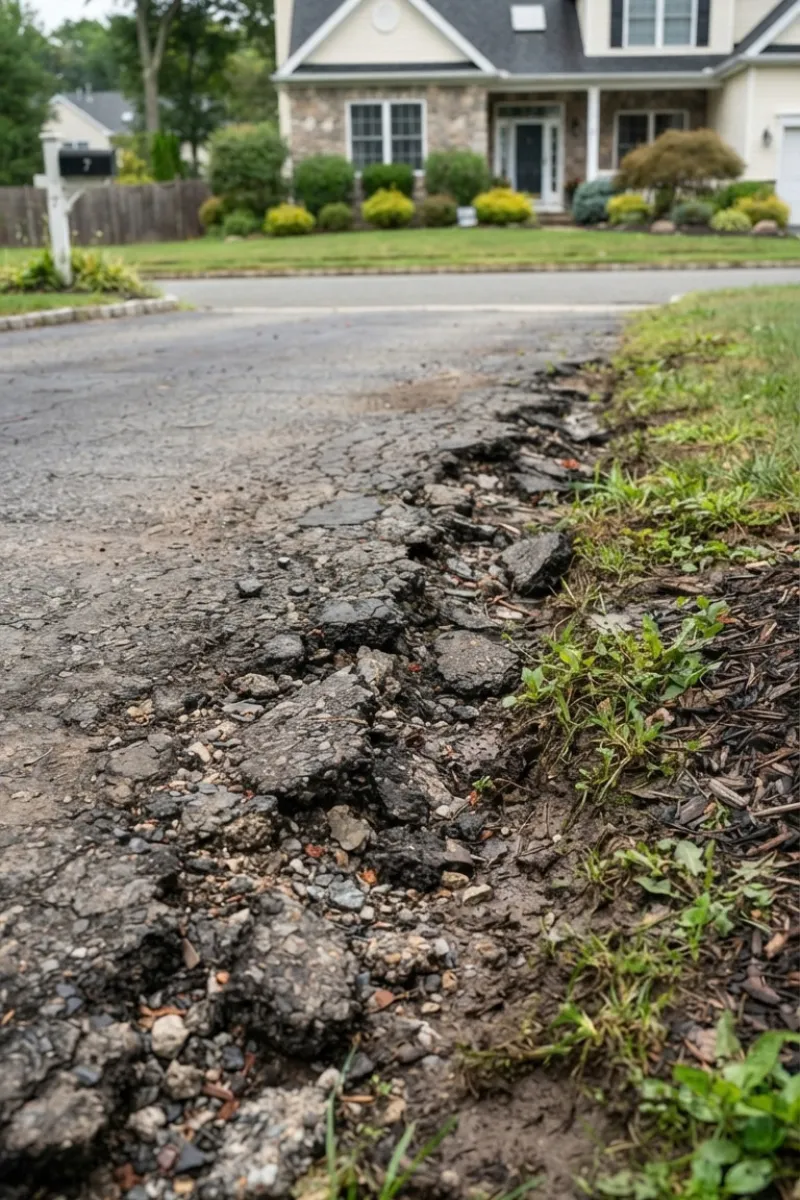
Broken or Crumbling Driveway Edges
Problem:
Driveway edges can crack, break apart, sink, or lose support, especially where vehicles repeatedly cross the outer edge.
Possible Cause:
Insufficient edge support, water erosion, base deterioration, traffic loading, or aging pavement may contribute.
Recommended Solution:
Damaged edges may require localized rebuilding or replacement together with improvements to the supporting base where necessary.
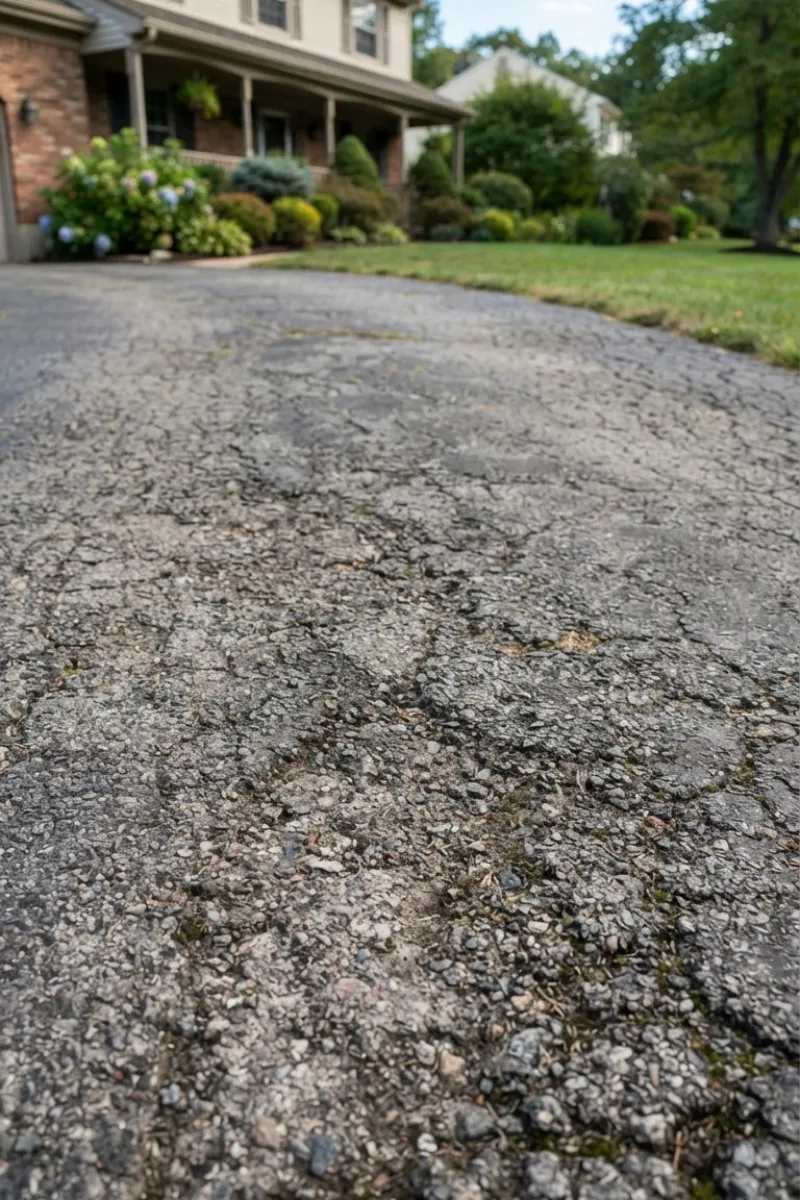
Worn or Deteriorated Asphalt Surface
Problem:
Asphalt may become faded, rough, brittle, cracked, or worn as the upper surface gradually deteriorates with age and exposure.
Possible Cause:
Weather exposure, oxidation, traffic, moisture, aging materials, or underlying pavement deterioration may contribute.
Recommended Solution:
The driveway can be assessed to determine whether localized repair, resurfacing, or more extensive replacement is appropriate.
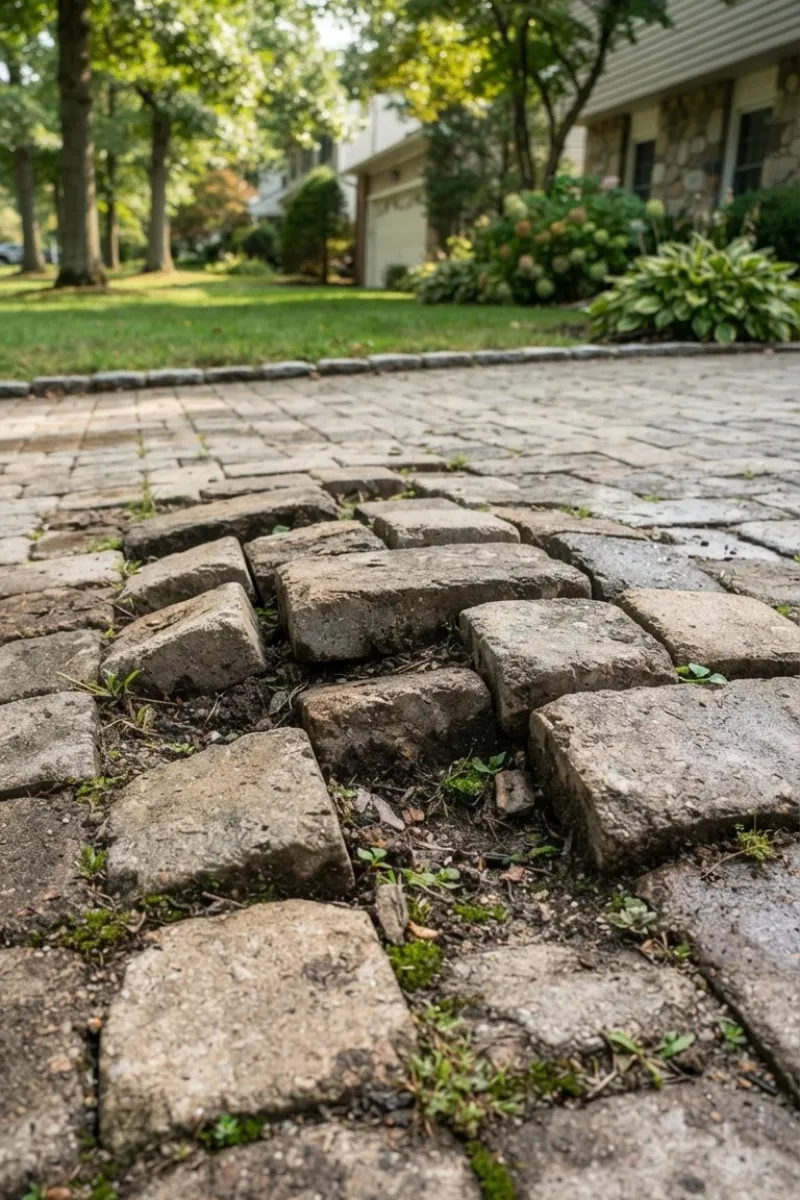
Loose or Uneven Pavers
Problem:
Paver driveways may develop rocking, sunken, separated, shifted, or uneven units that affect appearance and surface stability.
Possible Cause:
Base settlement, joint loss, washout, edge movement, poor compaction, or repeated water movement may contribute.
Recommended Solution:
Affected pavers may be lifted and reset after the supporting base and edge conditions have been evaluated and corrected.
- Why Driveways Deteriorate
What Causes Driveway Problems?
Driveway deterioration usually involves a combination of surface wear, environmental exposure, traffic, drainage, and movement in the materials below the finished surface.
Base Settlement
Every driveway depends on the condition of the supporting material beneath it. If the base settles unevenly, loses material, or was not adequately compacted, the surface above can sink, crack, or move.
Base-related problems are particularly important because repeatedly repairing only the visible surface may not resolve the underlying movement.
Water & Poor Drainage
Water can enter cracks, collect in depressions, wash material away from driveway edges, or affect the supporting base.
Drainage problems can also allow standing water to remain on the driveway or repeatedly flow across the same areas.
Freeze-Thaw Movement
Moisture within cracks, pavement, joints, or supporting materials can expand during freezing conditions. Repeated freezing and thawing can contribute to existing cracks becoming larger or weakened surfaces deteriorating further.
Aging Materials
Asphalt, concrete, and paving materials naturally weather over time. Asphalt may become brittle or lose surface material, concrete can develop cracks or surface deterioration, and paver joints may require maintenance or resetting.
Vehicle Loads & Repeated Traffic
Driveways regularly carry vehicle weight. Repeated loading can place additional stress on already weakened surfaces, unsupported edges, thin pavement, or unstable base material.
Previous Repairs or Installation Problems
Recurring driveway problems may develop where earlier repairs treated only the surface or where the original installation had inadequate base preparation, grading, compaction, or drainage.
- How We Fix
How We Repair Driveway Problems
Driveway repair methods depend on the surface material, extent of damage, condition beneath the driveway, drainage, and whether deterioration affects one area or the entire surface.
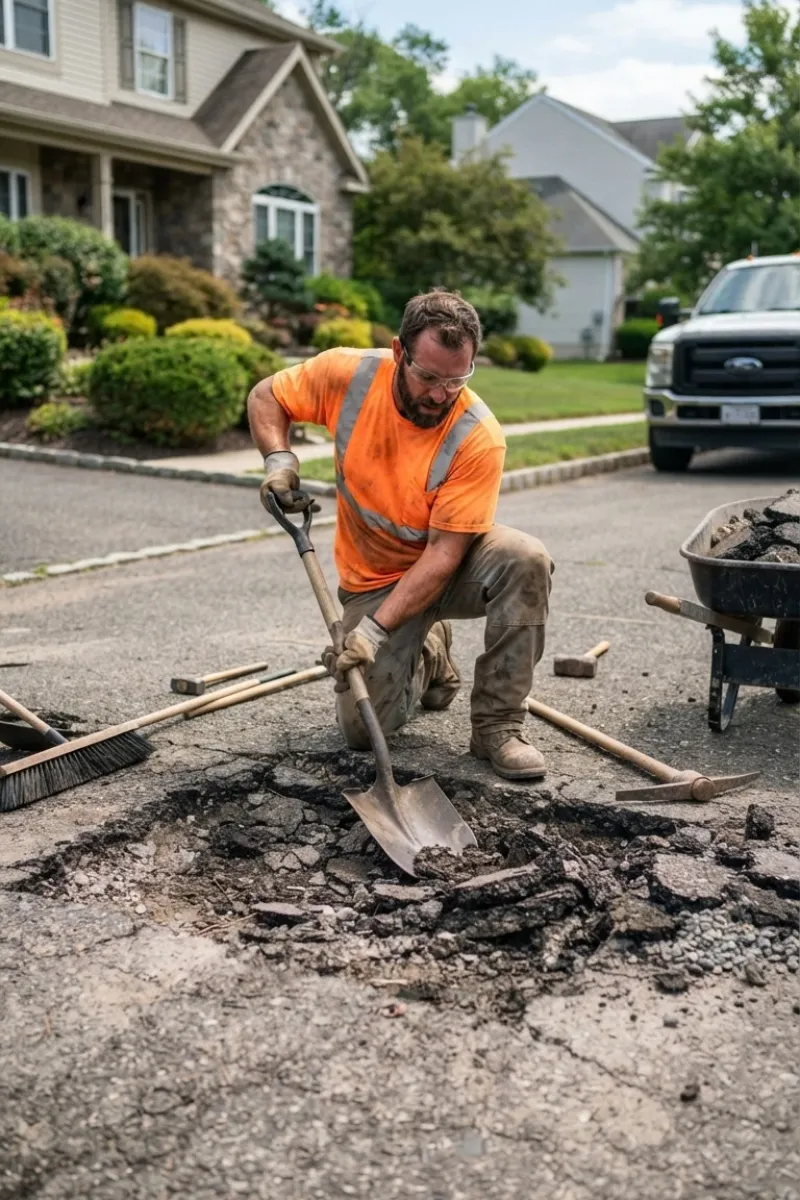
Localized Driveway Repairs
Smaller damaged areas may sometimes be repaired without replacing the entire driveway. The affected section can be removed or prepared and repaired according to the driveway material and condition.
Localized repair is generally more suitable when deterioration is limited and the surrounding driveway remains serviceable.
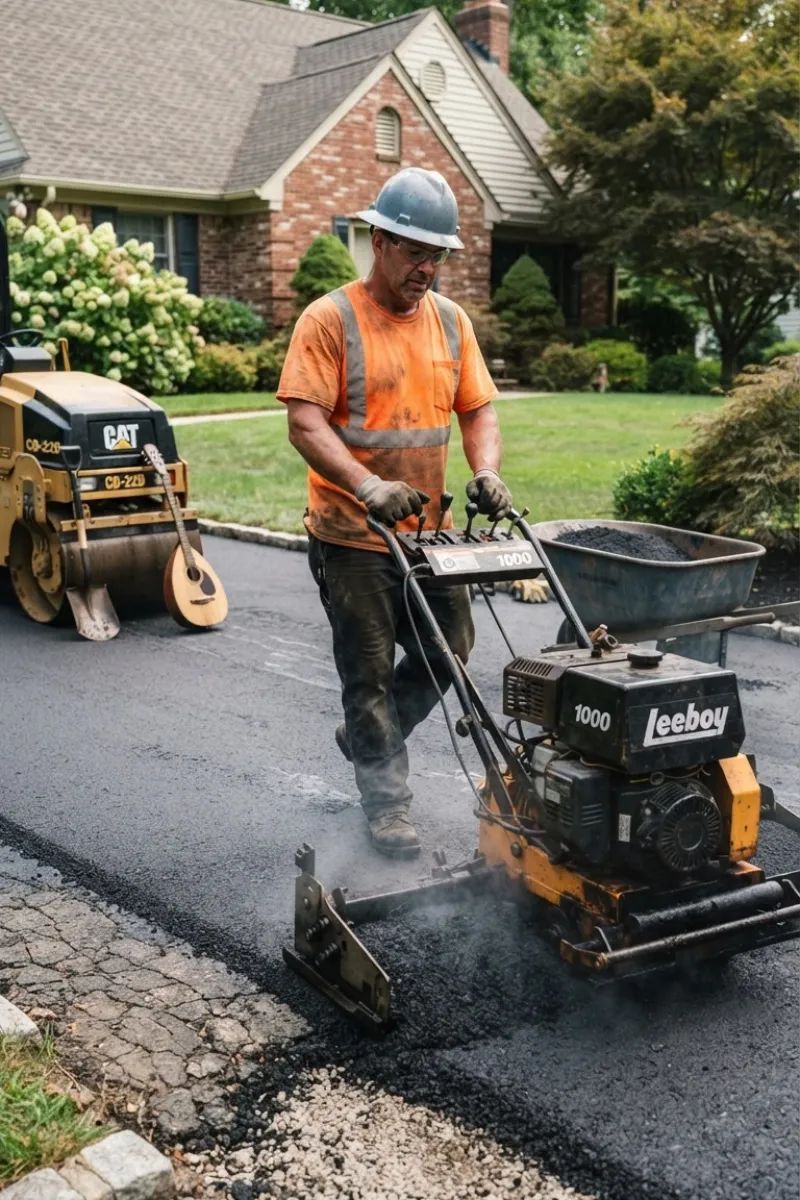
Asphalt Resurfacing
Resurfacing involves installing a new asphalt surface over an existing driveway when the underlying pavement remains suitable.
It may be considered where surface deterioration is widespread but structural or base failure does not require complete removal. The existing driveway must first be evaluated to determine whether resurfacing is appropriate.
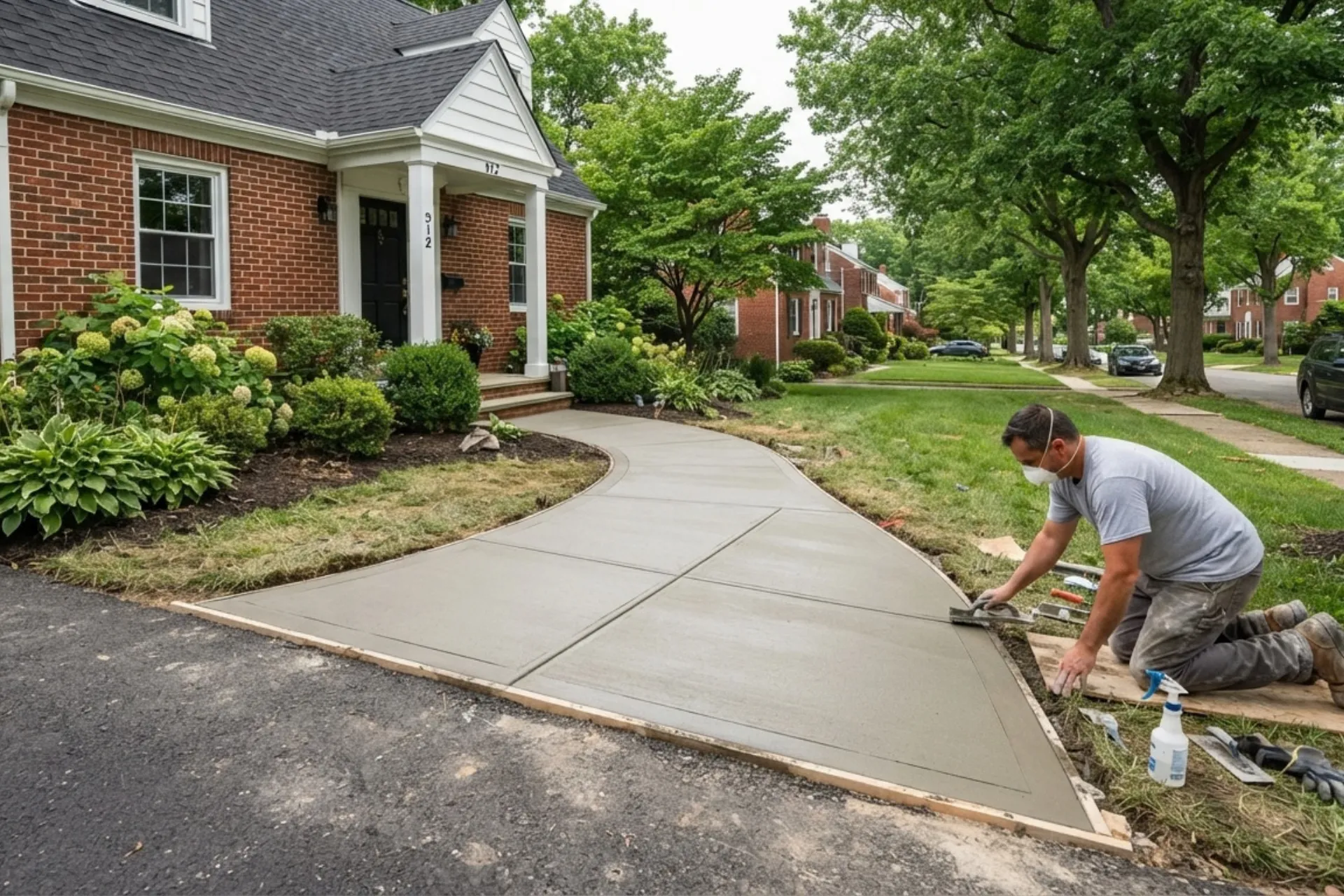
Concrete Section Replacement
Where deterioration is limited to certain concrete slabs or sections, damaged concrete may sometimes be removed and replaced independently.
This approach depends on the condition and movement of adjacent concrete and the base beneath the affected section.
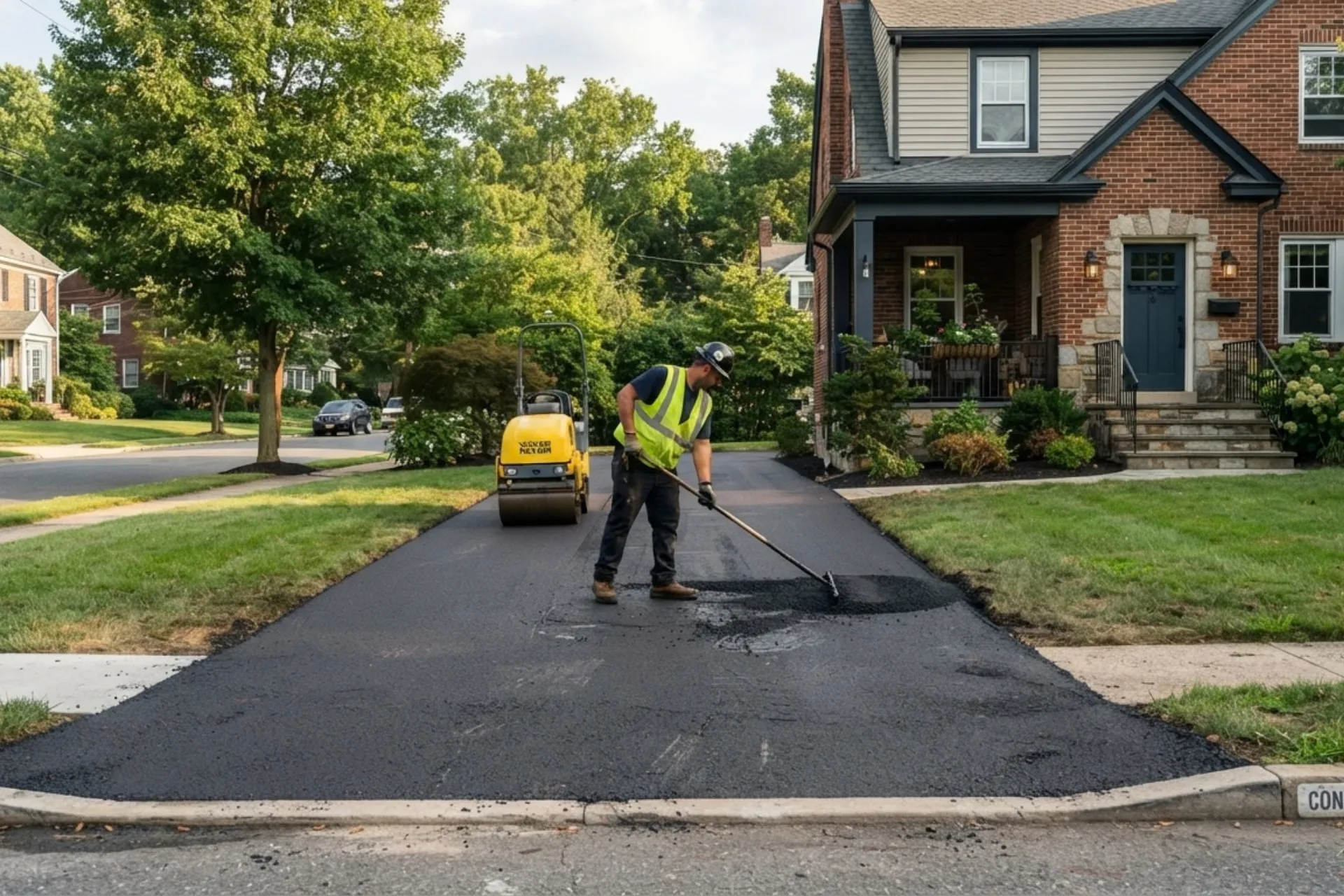
Paver Resetting
Loose or sunken pavers can often be lifted to expose the supporting material. The base can then be adjusted before the paving units are reset.
Where movement is caused by drainage, edge failure, or broader settlement, those conditions may also need attention.
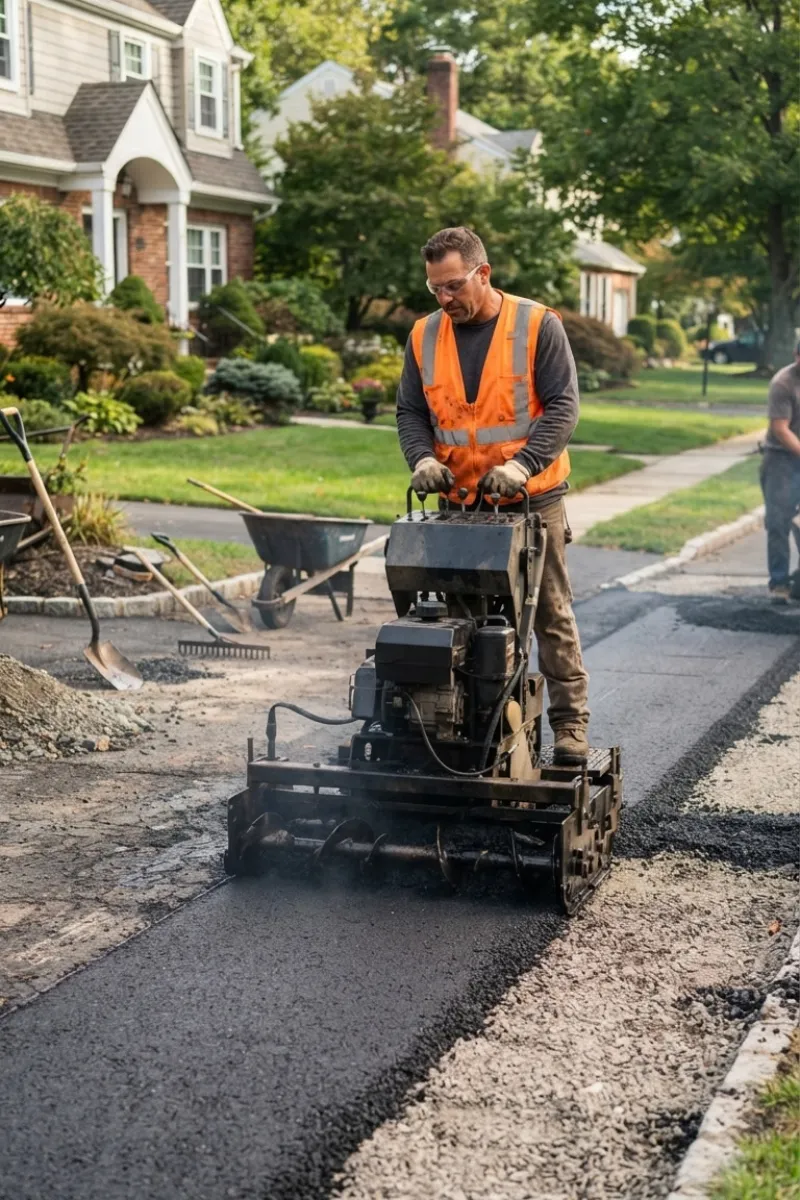
Full Driveway Replacement
Where deterioration is widespread, the existing surface has failed extensively, or base problems affect large portions of the driveway, replacement may be more appropriate than continued localized repair.
Replacement allows the underlying conditions to be addressed before a new driveway surface is installed.
- Right Fix for the Damage
Driveway Repair, Resurfacing or Replacement?
The condition of a driveway determines whether repair, resurfacing, partial reconstruction, or complete replacement may be appropriate.
Repair may be suitable when
Localized repair can make sense when damage is limited to smaller sections, cracks, isolated settlement, edge deterioration, or individual pavers.
Resurfacing considered when
For asphalt driveways, resurfacing may be considered when the upper surface is significantly worn but the existing pavement and base remain suitable. Resurfacing is different from repairing a structurally failing driveway because it primarily renews the upper driving surface.
Partial Reconstruction may be needed when
Partial reconstruction may be appropriate when one area has failed because of localized settlement, drainage, or base deterioration while the rest of the driveway remains usable.
Replacement may be more appropriate when
Complete replacement may be considered when cracking is extensive, large areas are sinking, the driveway has widespread base failure, or repeated repairs are no longer practical.
Material condition, age, drainage, grading, supporting base, previous repairs, surface movement, and overall serviceability should all be considered before deciding.
The goal should not automatically be to replace the driveway. An on-site assessment helps determine which portions can reasonably be retained and which require more substantial work.
- From Assessment To Completion
Our Driveway Project Process
Driveway Inspection
We review the driveway surface, cracks, settlement, edges, transitions, drainage, and nearby structures.
Drainage and Slope Review
We check how water moves across the driveway and whether runoff is affecting the home, garage, foundation, or walkways.
Repair Recommendation
We recommend localized repair, section replacement, paver resetting, edging repair, drainage improvements, or a larger replacement where needed.
Surface Preparation
Damaged areas are prepared by removing loose, cracked, sunken, or unstable material as required.
Repair or Installation
The selected driveway, edging, drainage, or hardscape work is completed using suitable materials and methods.
Final Review
We review the completed work for surface condition, drainage flow, transition quality, and overall appearance.
- Areas We Cover
Serving North Jersey & Selected New York Areas
Optane is based in Elizabeth, making North Jersey the primary service area. Masonry and hardscape services are available across nearby communities, with selected New York coverage provided as an additional service region.
- NJ Areas We Serve
Nearby New Jersey Service Areas
Serving New Jersey property owners with reliable masonry, foundation, drainage, roofing, and exterior improvement solutions.
Union, NJ
Roselle Park, NJ
Hillside, NJ
Linden, NJ
Newark, NJ
Cranford, NJ
Westfield, NJ
Rahway, NJ
Irvington, NJ
Springfield, NJ
Maplewood, NJ
- NY Areas We Serve
Our New York Service Areas
Providing masonry, foundation, drainage, roofing, and home improvement services across communities throughout New York.
- Projects Showcase
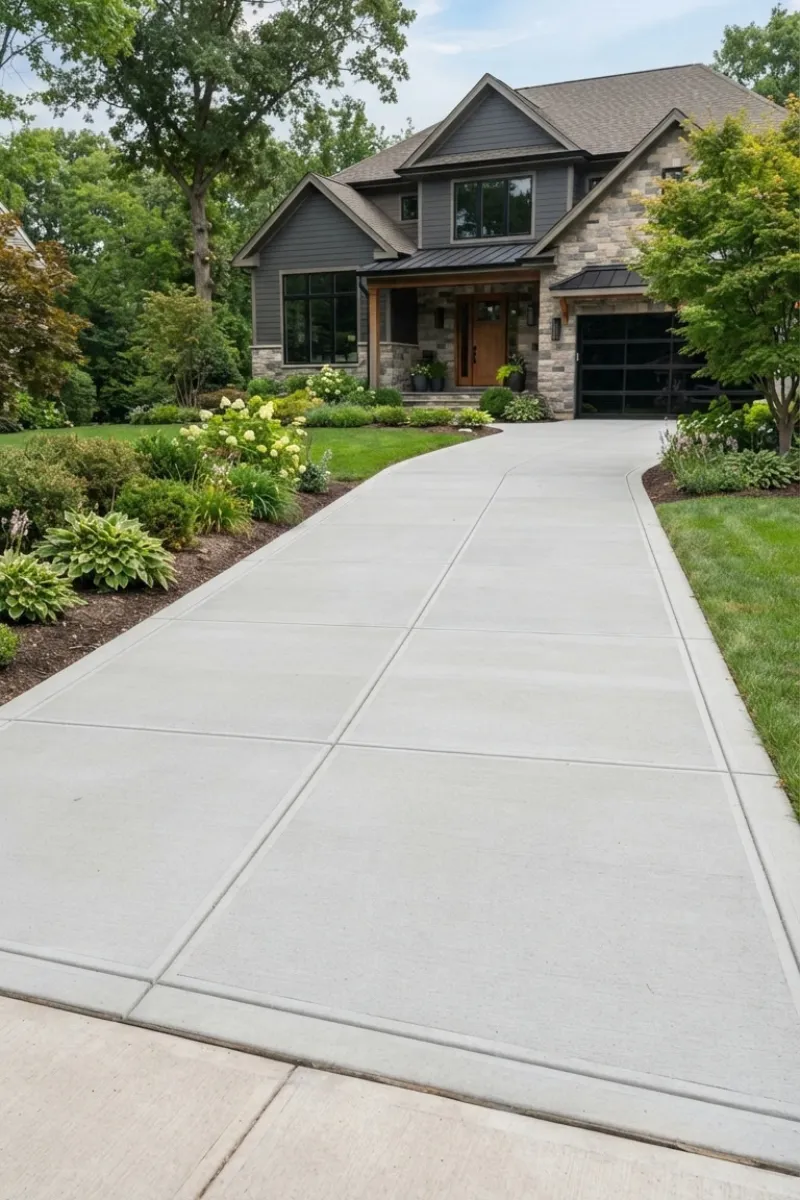
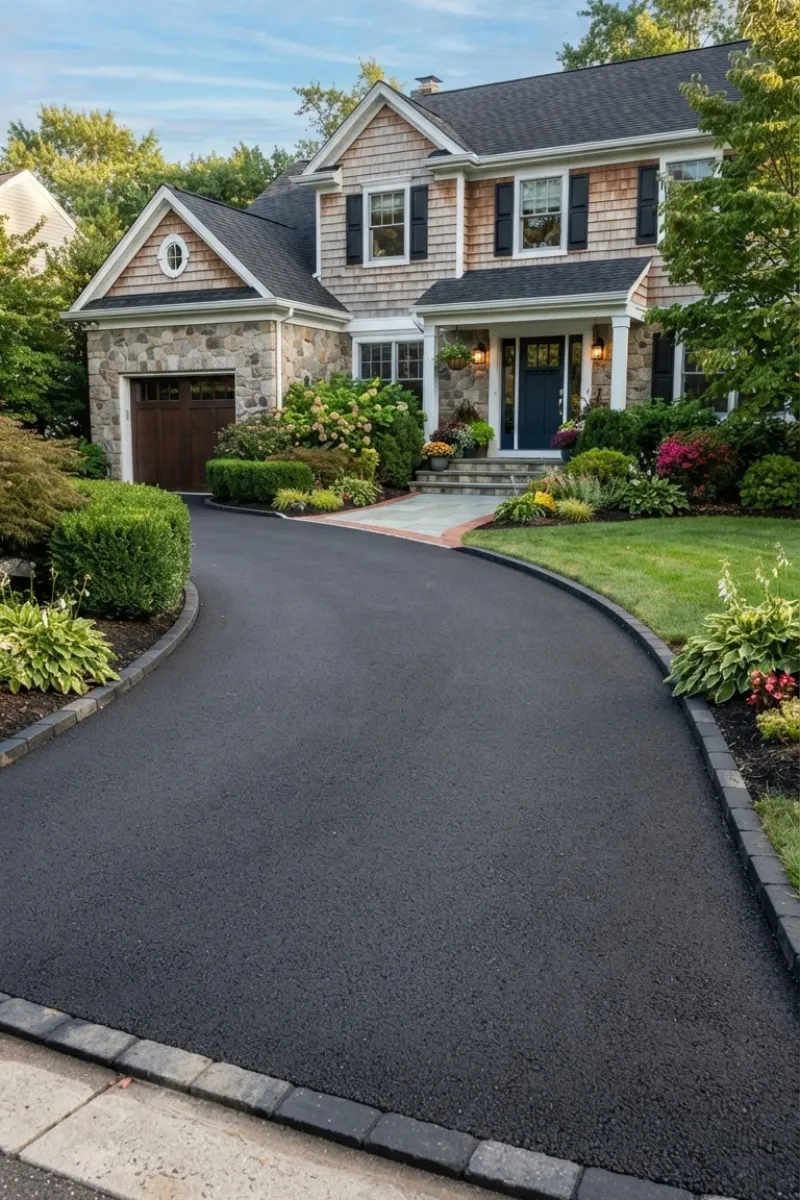
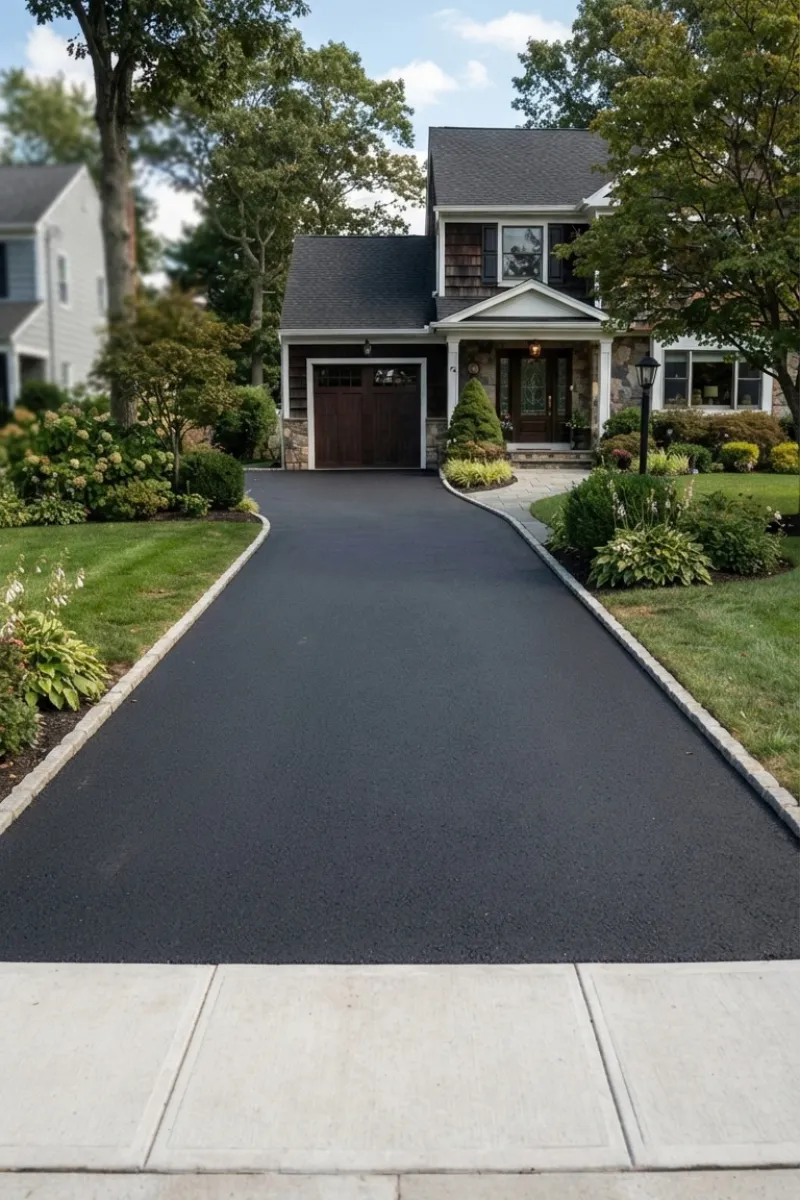
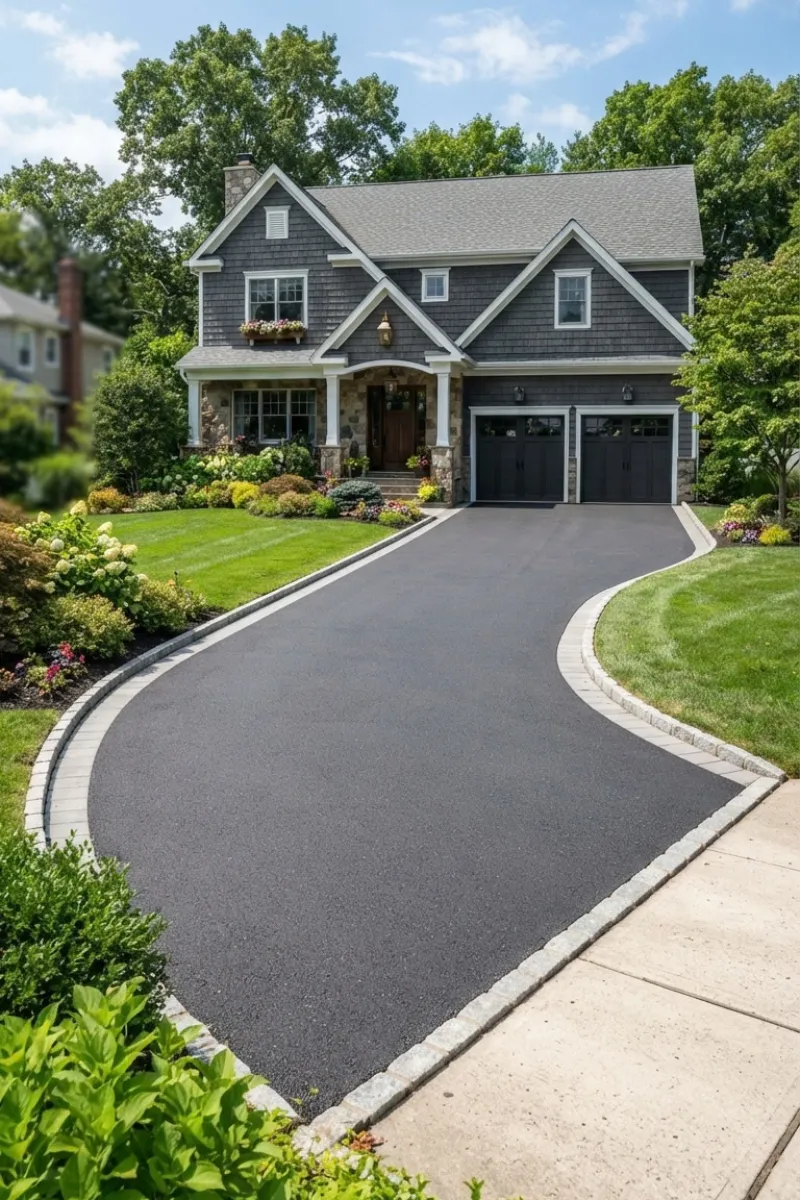
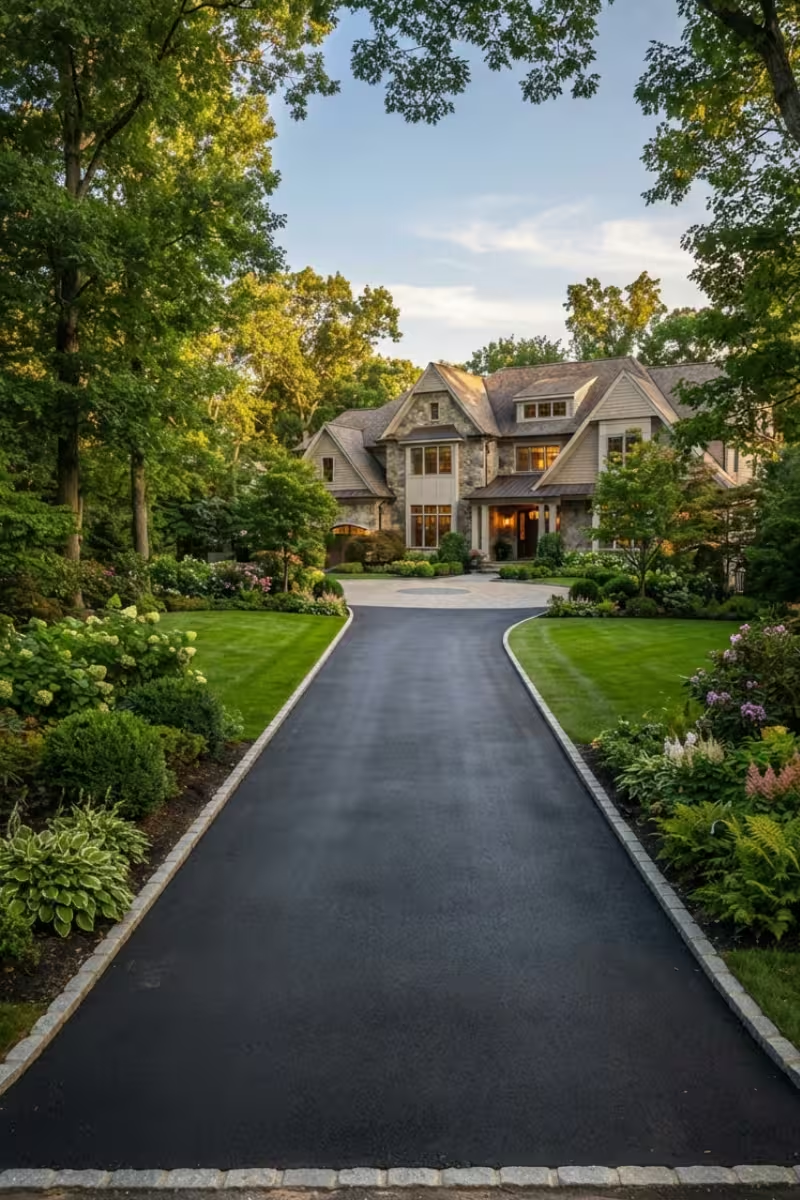
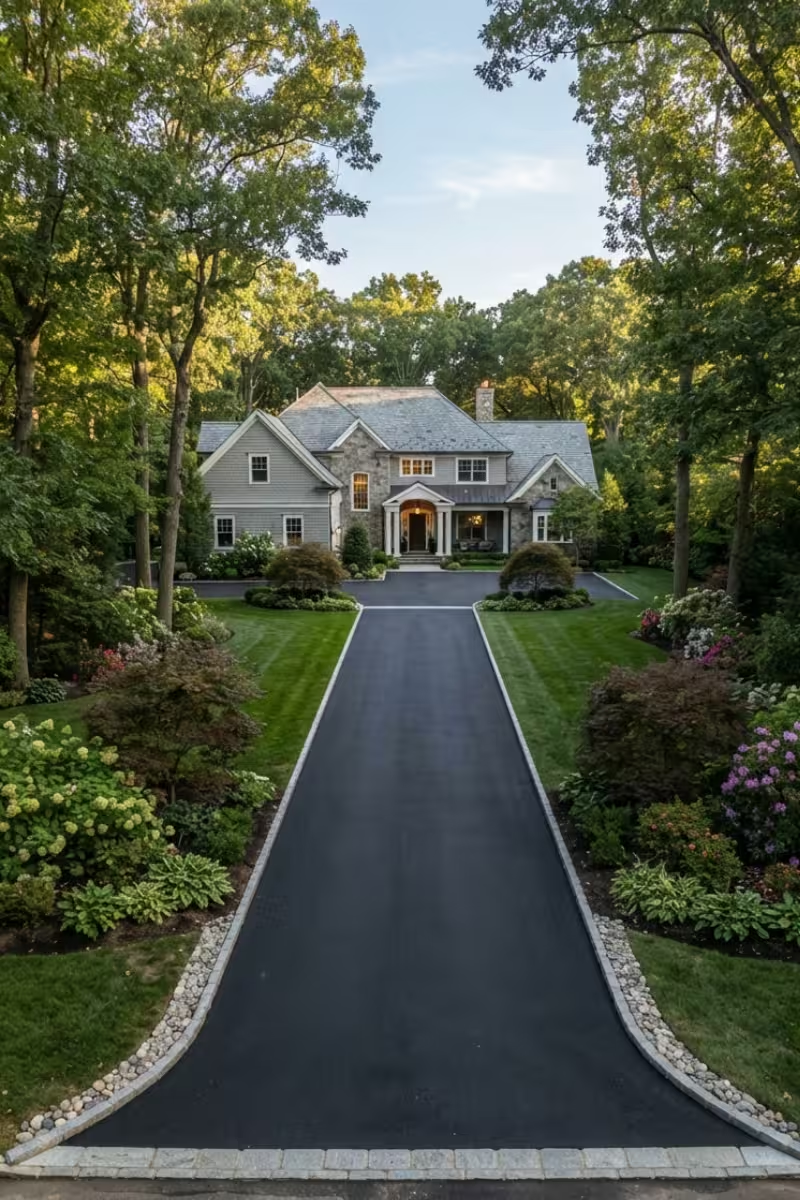
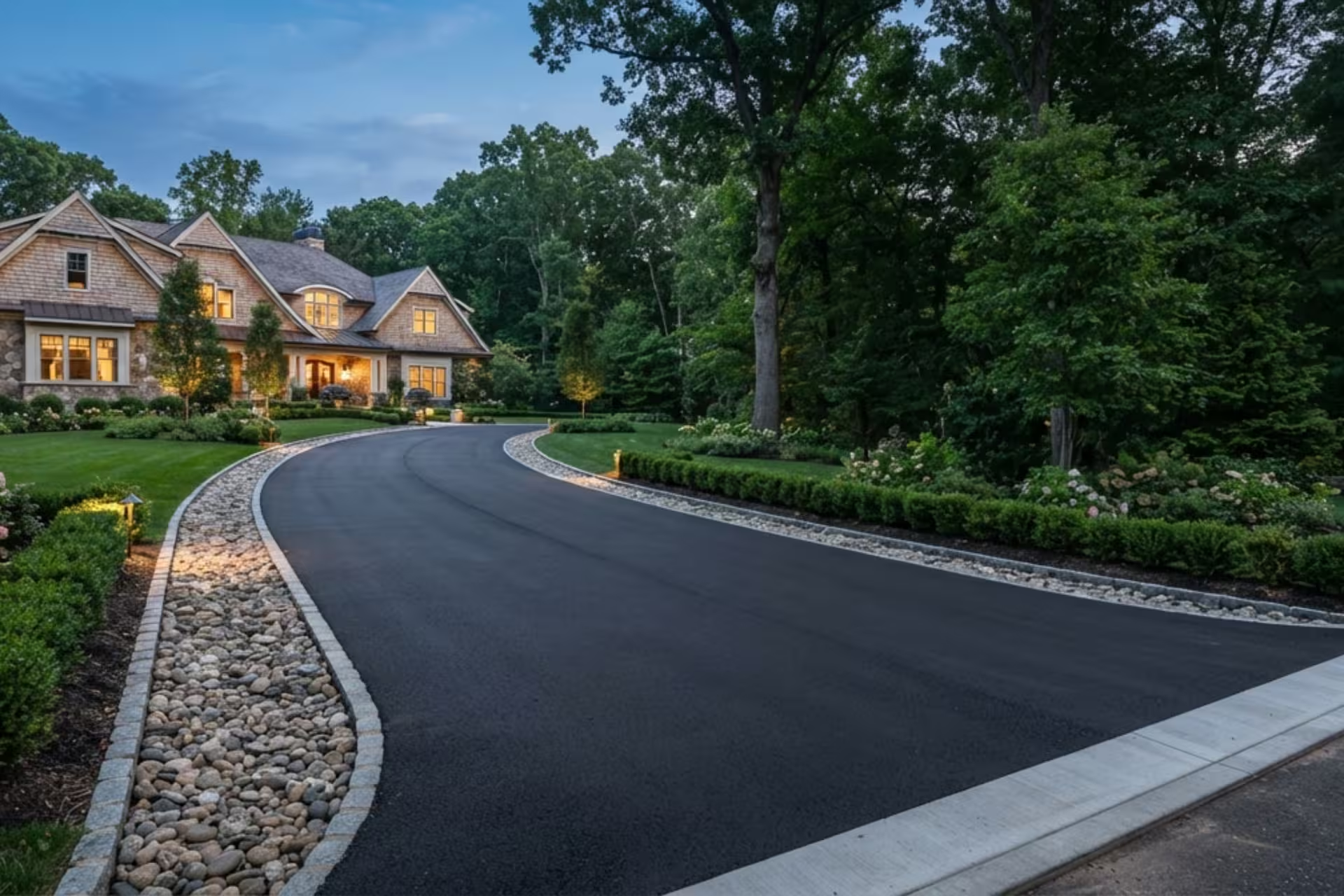
Recent Driveway Projects
Property owners can review actual Optane work before discussing their own masonry or exterior improvement project.
- Customer Reviews
Trusted by Local Homeowners & Property Owners
Before choosing a contractor, property owners can review genuine customer feedback published by Optane.
- What Sets Us Apart
Why Choose Optane Masonry & Home Improvements?
Based in Elizabeth, NJ
Optane is based in Elizabeth and primarily serves homeowners throughout North Jersey.
Multiple Driveway Surface Options
Services can address asphalt, concrete, and paver driveway conditions depending on the existing surface and project requirements.
Problem-Focused Recommendations
Visible cracking or settlement is considered together with drainage, surface condition, and supporting areas before work is recommended.
Repair & Replacement Options
Depending on the driveway condition, the appropriate approach may involve localized repair, resurfacing, partial reconstruction, resetting, or replacement.
Related Exterior Services
Driveway problems that involve drainage, concrete, masonry, or surrounding hardscape can be considered alongside related exterior work.
NJ Home Improvement Contractor License
HIC License: HIC.0703840
- Other Services We Offer
Complete Solutions for Your Property
Optane Masonry & Home Improvements provides a range of exterior, structural, drainage, waterproofing, and home improvement services.
Request an Estimate for Driveway Services
Cracks, settlement, worn surfaces, uneven pavers, standing water, and deteriorated driveway sections can require different solutions depending on the material and underlying condition. Optane Masonry & Home Improvements provides driveway repair, installation, resurfacing, and replacement services from its Elizabeth, NJ base throughout North Jersey and selected New York areas.
- Frequently Asked Questions
FAQs About Driveway Services
Common signs include cracks, potholes, sunken sections, standing water, broken edges, surface deterioration, loose pavers, or areas that move under vehicle traffic. Some problems are limited to the surface, while others may involve settlement, drainage, or the supporting base. An inspection helps determine whether a localized repair is suitable or whether more extensive work is needed.
Driveway cracks may develop from aging materials, temperature changes, moisture, settlement, movement in the supporting base, repeated traffic loads, or previous repairs. Different crack patterns can have different causes, so the surrounding pavement and underlying conditions should be considered before choosing a repair method.
Yes, in many situations. Localized cracks, isolated damaged sections, individual concrete areas, or uneven pavers may sometimes be repaired while the remaining driveway stays in place. Replacement becomes more relevant when deterioration or base failure is widespread. The condition of the entire driveway should be evaluated before making that decision.
No. Resurfacing typically adds a new asphalt surface over an existing driveway that remains suitable underneath. Replacement involves removing substantially more of the existing pavement so underlying problems can be addressed before installing a new surface. A driveway with significant base failure may not be a good candidate for resurfacing.
Yes. Optane Masonry & Home Improvements is based in Elizabeth, NJ, with North Jersey serving as the primary service region. Driveway services may be available in Elizabeth and nearby communities including Union, Linden, Hillside, Roselle, Cranford, Rahway, Newark, and other selected locations.
Optane also provides selected New York coverage in addition to its primary North Jersey service area. Staten Island is part of the current retained New York market. Property owners can contact the New York number to discuss the driveway condition, required service, and availability.