Understanding Mortar Joint Damage
Brick can last for generations, but the mortar between bricks usually wears out first. Mortar joints are exposed to rain, wind, snow, heat, and freezing temperatures. Over time, the joints can crack, crumble, wash out, or pull away from the brick. Once that happens, water can enter the wall and cause more serious damage behind the surface.
Repointing and tuckpointing are two masonry services designed to restore mortar joints. Many homeowners use the terms interchangeably, but they are not exactly the same. Understanding the difference can help you choose the right service for your home, chimney, steps, or exterior brick wall.
What Is Repointing?
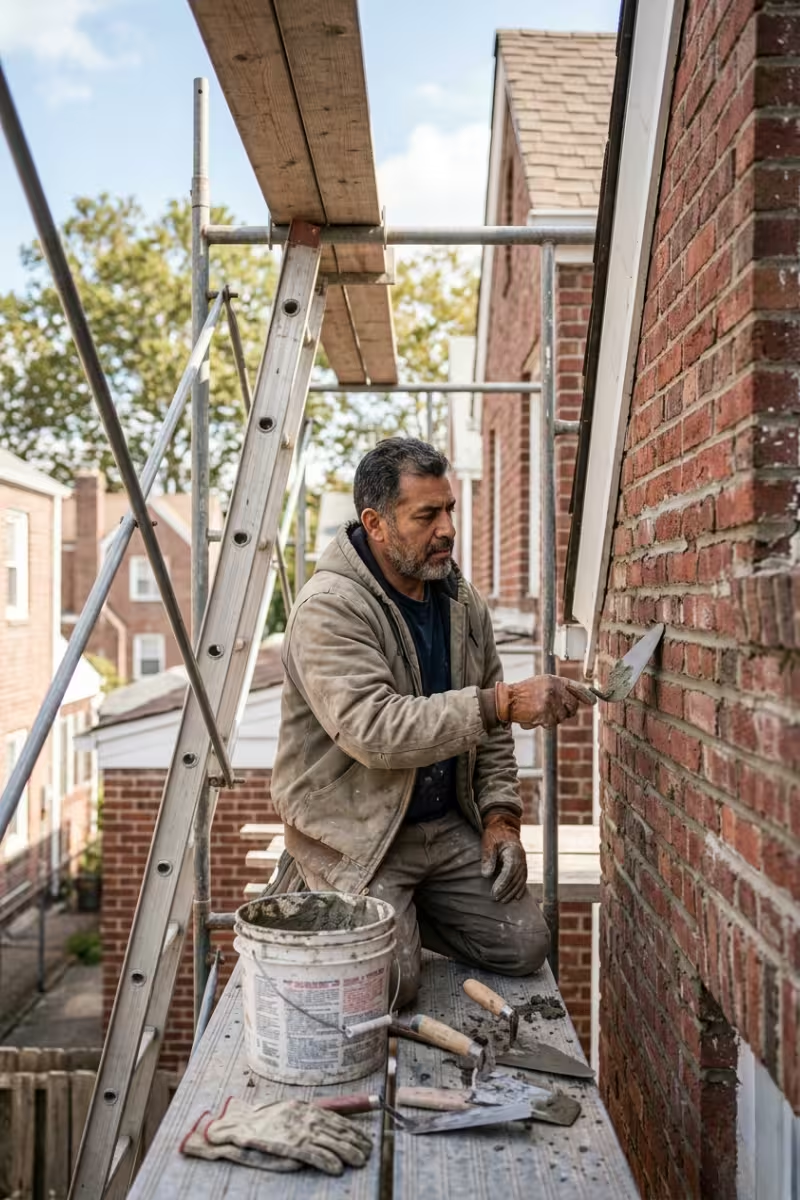
Repointing is the process of removing damaged mortar and replacing it with new mortar. The mason carefully grinds or rakes out the failing material, cleans the joints, and installs a new mortar mix that suits the existing brick. This restores the bond between the bricks and helps prevent water from entering the wall.
Professional repointing is especially important on older homes because the mortar must be compatible with the brick. If the new mortar is too hard, it can trap moisture and damage softer historic brick. A skilled repointing specialist understands mortar color, texture, joint profile, and strength. The finished result should look natural while improving the wall’s durability.
What Is Tuckpointing?
Tuckpointing is a specialized style of mortar joint restoration. It often involves using one mortar color that closely matches the brick and then applying a thin contrasting line to create the look of neat, narrow joints. This technique can give old brickwork a sharp, refined appearance.
Tuckpointing is commonly chosen for visible exterior walls, chimneys, entry areas, and older properties where appearance is just as important as protection. While tuckpointing has an aesthetic purpose, it still requires proper joint preparation and masonry skill. Cosmetic lines alone will not fix deteriorated mortar if the damaged joints are not properly repaired first.
Signs Your Brickwork Needs Attention
Common signs include loose or powdery mortar, gaps between bricks, white staining, water marks inside the home, cracks around windows, leaning chimney sections, and pieces of mortar on the ground. On chimneys, damaged mortar can allow water to enter around the flue, crown, or flashing. On exterior walls, it can cause damp patches and interior plaster damage.
Homeowners often search for brick repair near me or tuckpointing contractors near me after noticing a small issue. That is a good time to call a professional. Waiting too long can allow water to spread through the wall, leading to spalled bricks, larger structural cracks, and more expensive repairs.
Why Repointing Helps Prevent Water Damage
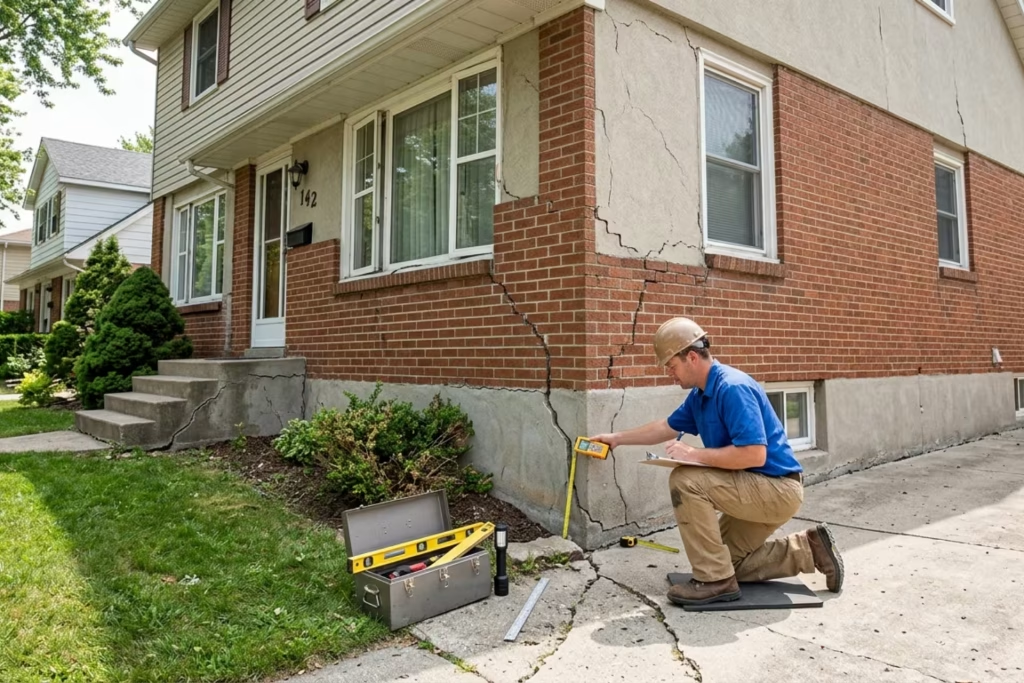
Water is the biggest enemy of failing mortar. Once moisture enters a brick wall, it can freeze and expand during cold weather. This process can break the face of the brick, push joints apart, and weaken the entire masonry system. Repointing seals those open joints and improves the wall’s ability to resist weather exposure.
In areas such as East Rockaway, Freeport, Flushing, Floral Park, Jackson Heights, and other New York communities, weather swings and moisture exposure are common. New Jersey homeowners also deal with seasonal freeze-thaw conditions. Regular mortar repair helps preserve the property and reduce the risk of structural masonry repairs later.
How Optane Masonry Approaches Repointing
Optane Masonry and Home Improvements inspects the brickwork first, identifies areas where the mortar has failed, and recommends the right repair method. The process may include joint grinding, hand tooling, color matching, brick replacement, chimney repointing, waterproofing recommendations, and cleanup. The focus is always on long-lasting work that blends well with the existing structure.
Whether your project involves a chimney, wall, stoop, steps, patio edge, or older brick facade, professional repointing can help protect your investment. Contact Optane Masonry for repointing specialists in New York and New Jersey.
Local Service Area Focus
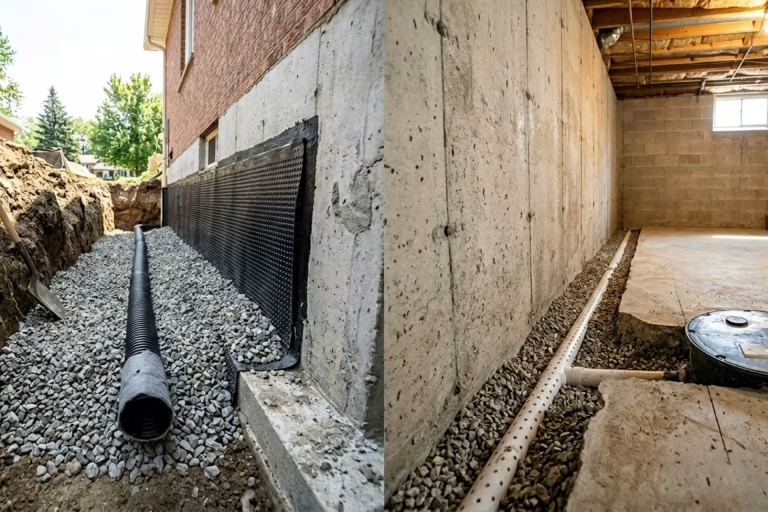
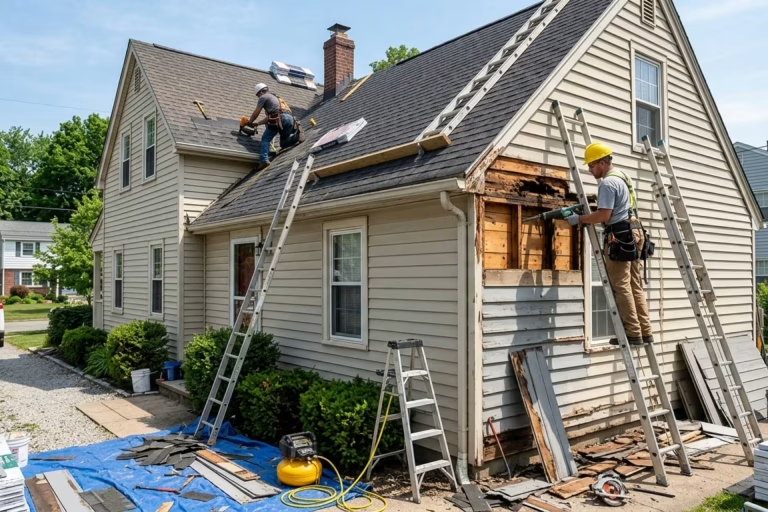
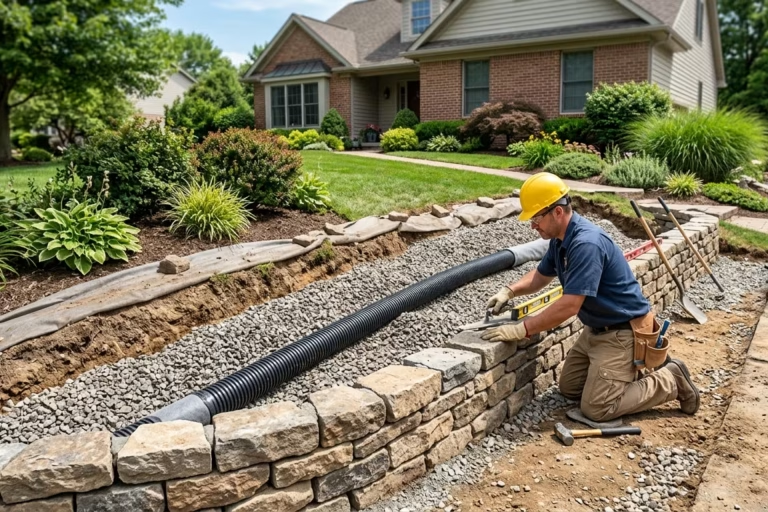
Homeowners searching online usually want a contractor who is close enough to respond quickly and experienced enough to understand local property conditions. Optane Masonry and Home Improvements serves communities throughout New York and New Jersey, including East Rockaway, Freeport, Flushing, Floral Park, Jackson Heights, Queens, Yonkers, Poughkeepsie, Peekskill, and Carmel Hamlet. This local coverage helps homeowners find practical help for masonry, waterproofing, roofing, chimney, hardscaping, and foundation needs without dealing with a one-size-fits-all approach.
Each project starts with a clear look at the property, the visible damage, the surrounding drainage, and the long-term goal of the homeowner. That matters because exterior home improvement problems are often connected. A cracked stoop may be related to settlement. A roof leak may be tied to chimney flashing. Basement water may point to foundation cracks or poor grading. By looking at the entire property, Optane Masonry can recommend repairs that make sense, protect the home, and help avoid repeated problems. This approach also gives searchers useful information before they call, which improves trust and helps the right customers choose the right service.