
Optane Masonry and Home Improvements provides professional stair repair, step repair, stoop repair, landing repair, tread replacement, riser repair, brick step restoration, stone step repair, concrete step repair, masonry step rebuilding, repointing, waterproofing, and entrance restoration services across New York and New Jersey.
The right repair depends on the material, condition, support, water exposure, movement, and stability of the structure.
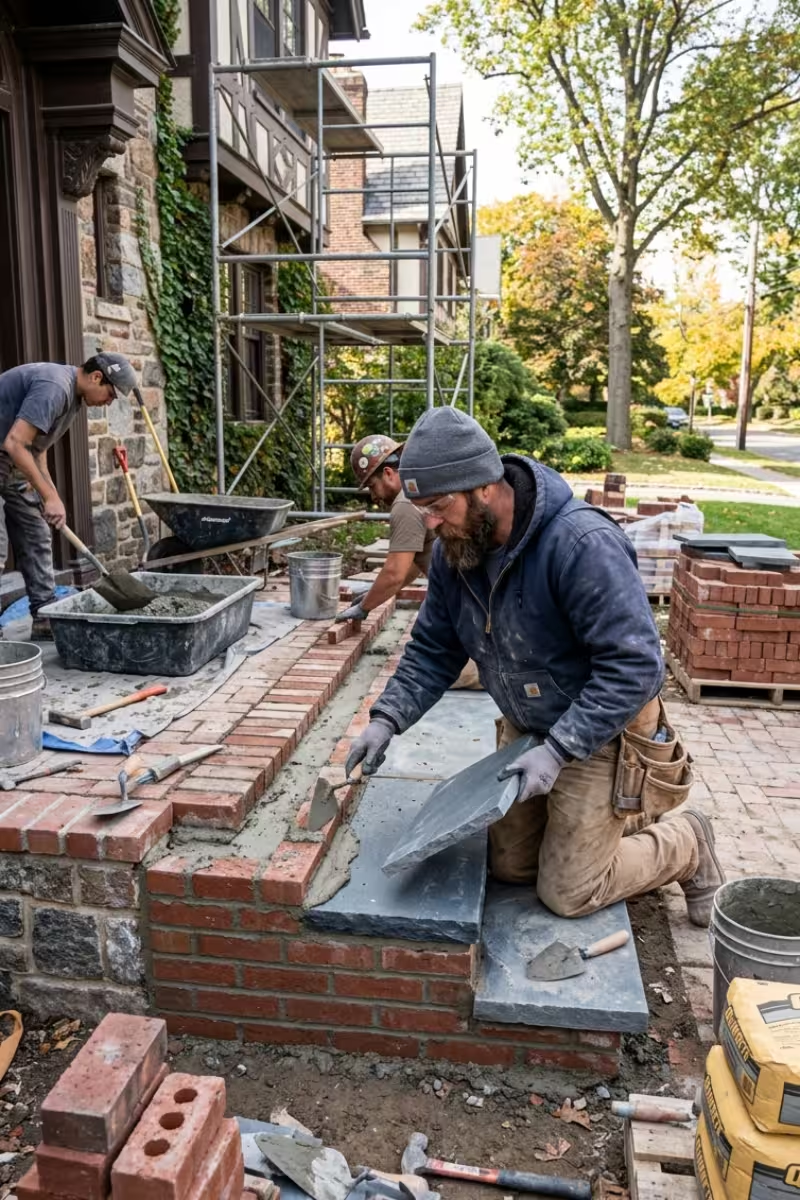
Exterior steps may show visible damage when the surface, base, mortar, or support structure begins to fail.
A proper repair should address the reason the stairs or steps failed, not only the visible crack or loose unit.
Brick steps may deteriorate because of water absorption, mortar failure, frost damage, salt exposure, settlement, and movement in the supporting structure.
If the bricks are loose through several courses or the sidewalls are leaning, partial or complete rebuilding may be more effective than surface patching.
Stone steps may loosen, crack, tilt, or separate when the mortar bed fails or the supporting base moves.
A loose stone tread should be reset properly rather than sealed only around the edges.
Concrete steps may crack, chip, scale, settle, or break because of weather exposure, salt, water entry, reinforcement corrosion, freeze-and-thaw cycles, or base failure.
Thin surface patches may not last when concrete is deeply deteriorated, hollow, unstable, or still moving.
A front stoop may include steps, a landing, sidewalls, masonry facing, coping, rail attachments, and a connection to the building.
Stoop repair may include masonry restoration, tread replacement, sidewall rebuilding, waterproofing, repointing, drainage correction, or complete reconstruction.
Treads and risers receive direct exposure to foot traffic, water, salt, snow, and ice.
Repair may involve resetting, replacing, patching, repointing, or rebuilding the affected areas.
Step height consistency should be considered when multiple treads or risers are restored.
Repointing restores deteriorated mortar joints in brick, stone, or block steps and stoops.
In those cases, rebuilding or waterproofing may be needed.
Landings provide the flat transition between the entrance and the stairs. When a landing cracks, settles, or slopes toward the building, it may create water and safety concerns.
A landing should direct water away from the doorway and surrounding masonry where possible.
Stoop and step sidewalls may be built from brick, stone, concrete block, poured concrete, or masonry veneer.
Sidewall repair may involve repointing, brick replacement, stone resetting, partial rebuilding, cap repair, waterproofing, and drainage correction.
A gap between the steps or stoop and the home may indicate movement, settlement, erosion, frost action, or water damage.
Filling the gap alone may not solve the problem if the structure is still moving.
Waterproofing may be needed when water enters beneath or behind a stoop.
Waterproofing should be completed only after unstable or deteriorated materials are repaired.
Poor drainage can damage steps and surrounding masonry.
A repaired stoop may fail again if water continues collecting around it.
Railings are often attached directly to steps, landings, or sidewalls. Movement or rust around attachment points may damage the surrounding masonry.
The masonry should be stable before railings are repaired, reset, or reattached.
When existing steps are beyond practical repair, new construction may be appropriate.
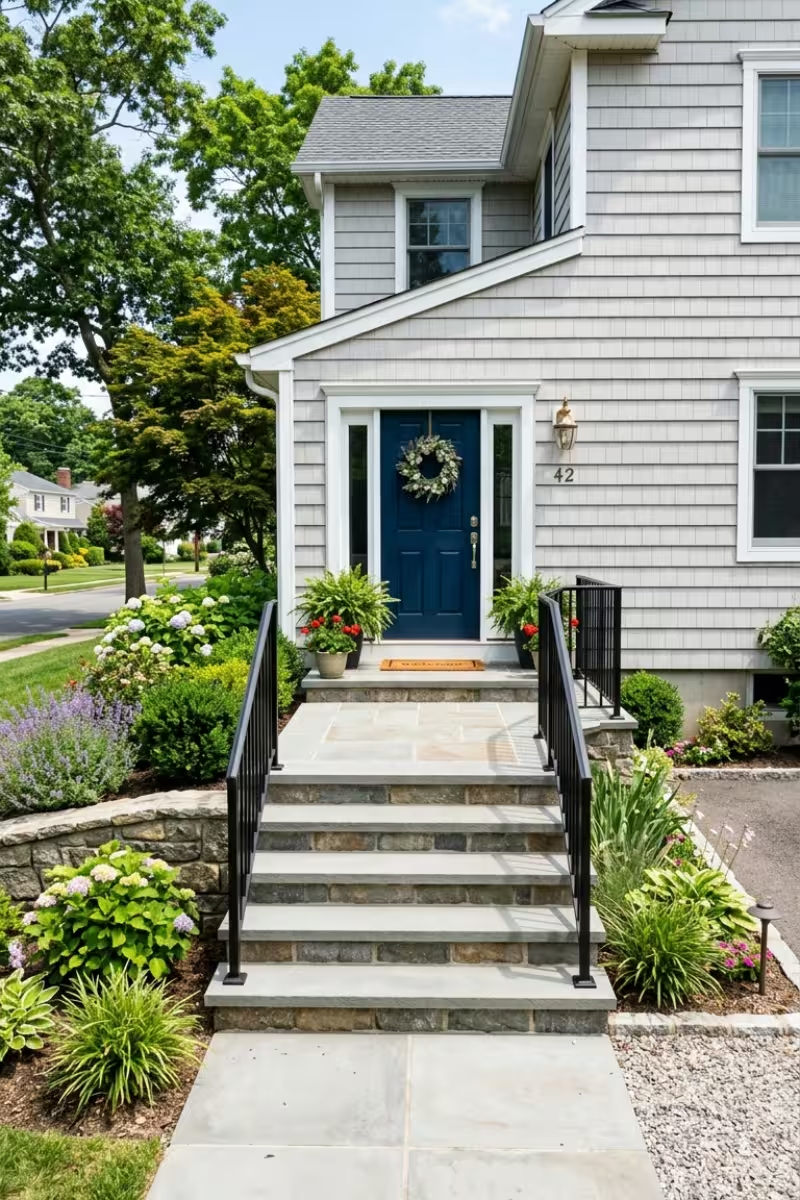
A new stoop should be designed for strength, drainage, safe access, and long-term exterior exposure.
The recommendation should be based on stability, not just surface appearance.
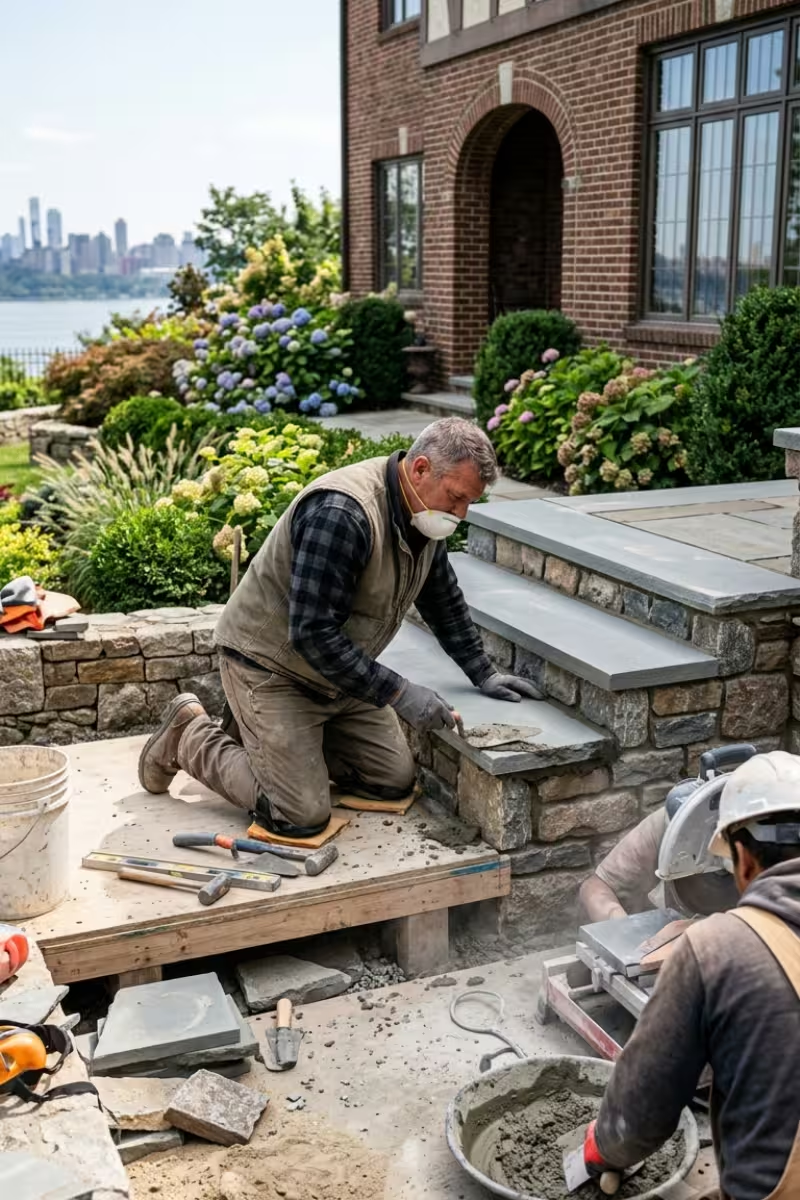
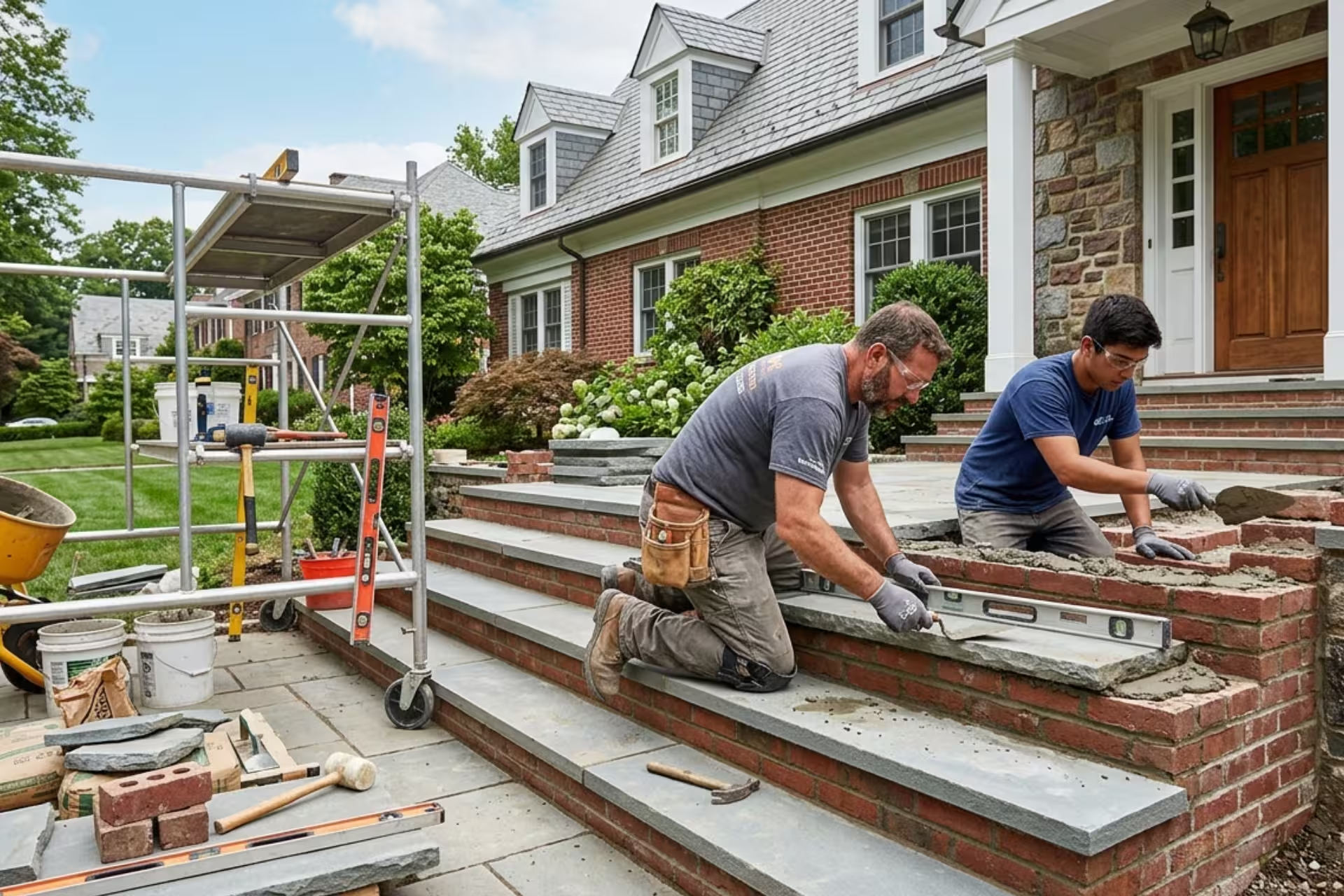
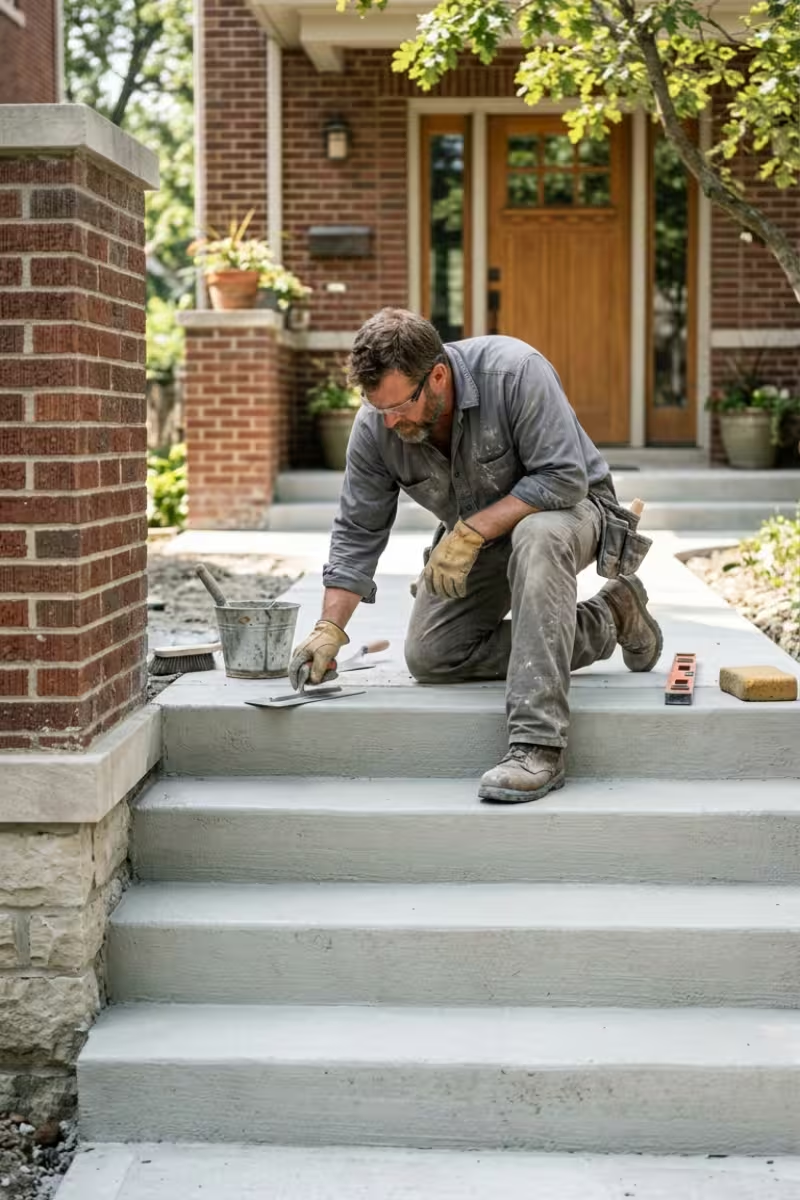
We inspect the treads, risers, landing, sidewalls, coping, mortar joints, railing areas, and connection to the home.
We evaluate settlement, drainage, water entry, frost damage, loose masonry, and any basement or foundation concerns.
We recommend repointing, tread repair, sidewall restoration, waterproofing, drainage work, partial rebuilding, or complete reconstruction.
Loose, cracked, deteriorated, or unstable materials are removed or prepared as required.
The selected masonry, concrete, stone, waterproofing, drainage, or rebuilding work is completed using suitable methods and materials.
We review the completed steps for stability, appearance, drainage, transitions, and overall function.
Homeowners across New York and New Jersey choose Optane Masonry because stair and step damage often involves masonry, drainage, waterproofing, foundations, walkways, and exterior movement.
Providing masonry, foundation, drainage, roofing, and home improvement services across communities throughout New York.
Serving New Jersey property owners with reliable masonry, foundation, drainage, roofing, and exterior improvement solutions.
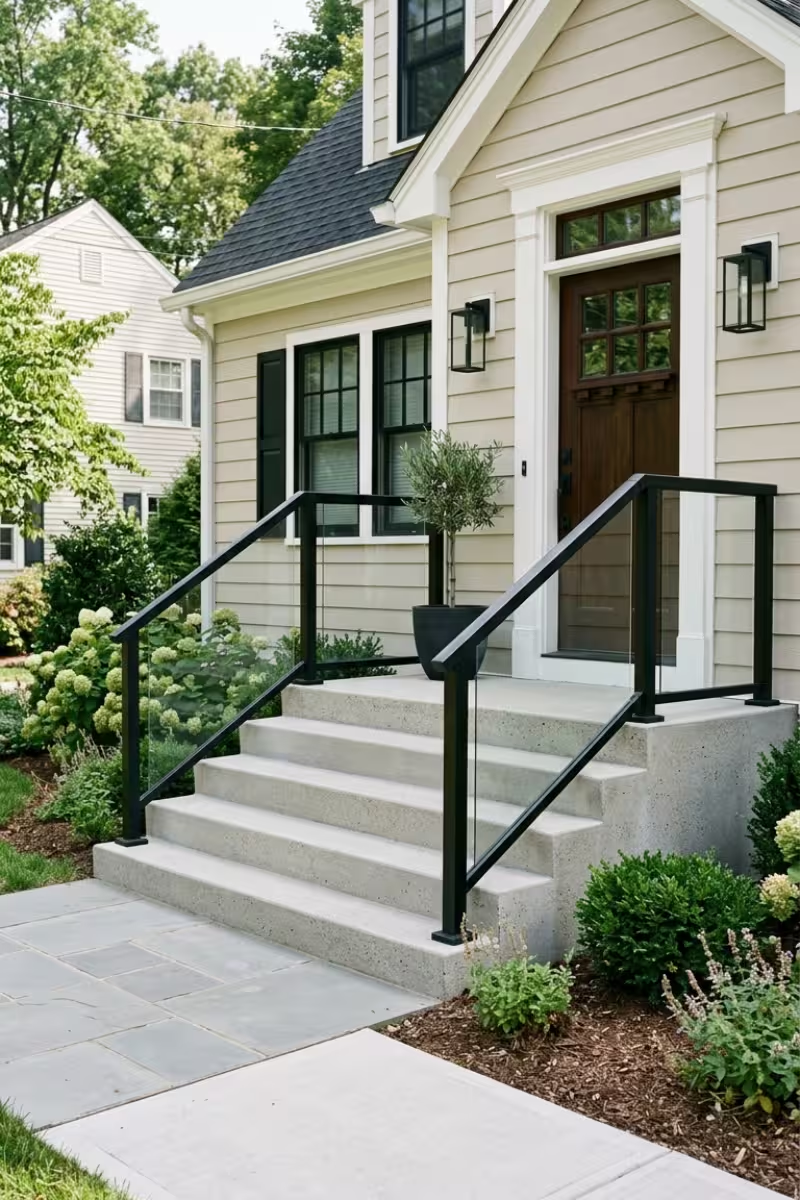
For brick step repair, stone step restoration, concrete step repair, front stoop repair, landing repair, tread replacement, riser repair, step repointing, stoop waterproofing, or step rebuilding in New York and New Jersey, contact Optane Masonry and Home Improvements.
Optane Masonry provides brick step repair, stone step repair, concrete step repair, stoop repair, landing repair, tread and riser repair, repointing, waterproofing, partial rebuilding, and complete reconstruction in New York and New Jersey.
Common signs include cracked treads, loose bricks or stones, missing mortar, uneven risers, settled landings, leaning sidewalls, separation from the house, and water entering beneath the stoop.
Yes. Cracked landings, open joints, failed waterproofing, poor drainage, or separation from the house can allow water beneath the stoop and into basement or foundation areas.
Yes, localized damage may be repairable when the structure remains stable. Rebuilding may be needed when the steps are settling, leaning, separating, or widely deteriorated.
We repair brick, stone, concrete, block, paver, and masonry step and stoop structures, depending on the condition and project scope.
914-438-8461
201-982-2375