
Optane Masonry and Home Improvements provides professional repointing, tuckpointing, mortar-joint repair, brick repointing, stone repointing, chimney repointing, foundation repointing, retaining wall repointing, and masonry restoration services across New York and New Jersey.
The right approach depends on the masonry material, wall condition, joint depth, age, moisture exposure, and whether the structure remains stable.
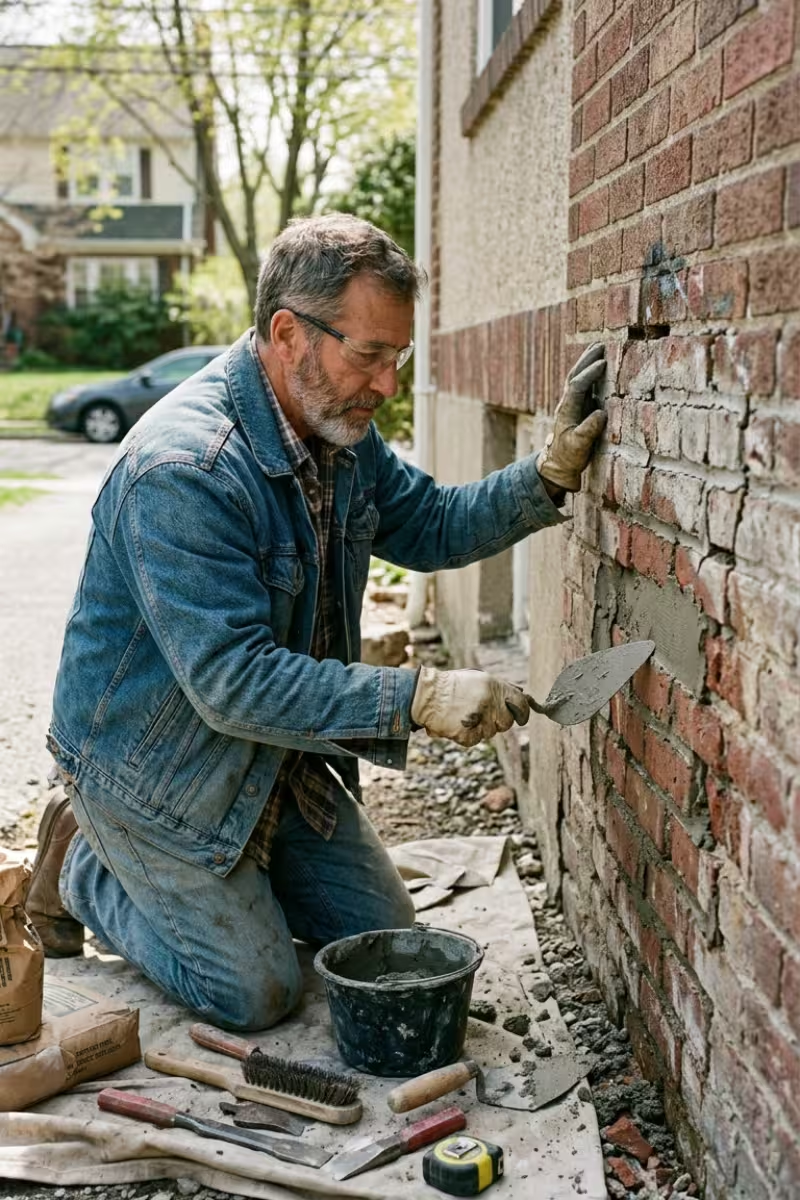
Mortar failure should be repaired before water causes deeper damage to the wall or surrounding structure.
Repointing is the process of removing deteriorated mortar from masonry joints and replacing it with new compatible mortar.
Repointing helps restore joint strength, reduce water entry, improve appearance, and protect the surrounding masonry.
It is especially important for brick walls, stone foundations, chimneys, steps, retaining walls, and other masonry structures exposed to moisture and weather.
Tuckpointing is a more detailed mortar-finishing method used to create a neat, defined joint appearance.
In modern use, the word “tuckpointing” is often used interchangeably with repointing. However, traditional tuckpointing can involve decorative joint finishing designed to make mortar lines appear sharper and cleaner.
The correct method depends on whether the goal is structural mortar repair, visual restoration, or both.
In New York and New Jersey, repeated seasonal weather changes can accelerate mortar deterioration, especially on chimneys, foundations, steps, retaining walls, and exterior brick walls.
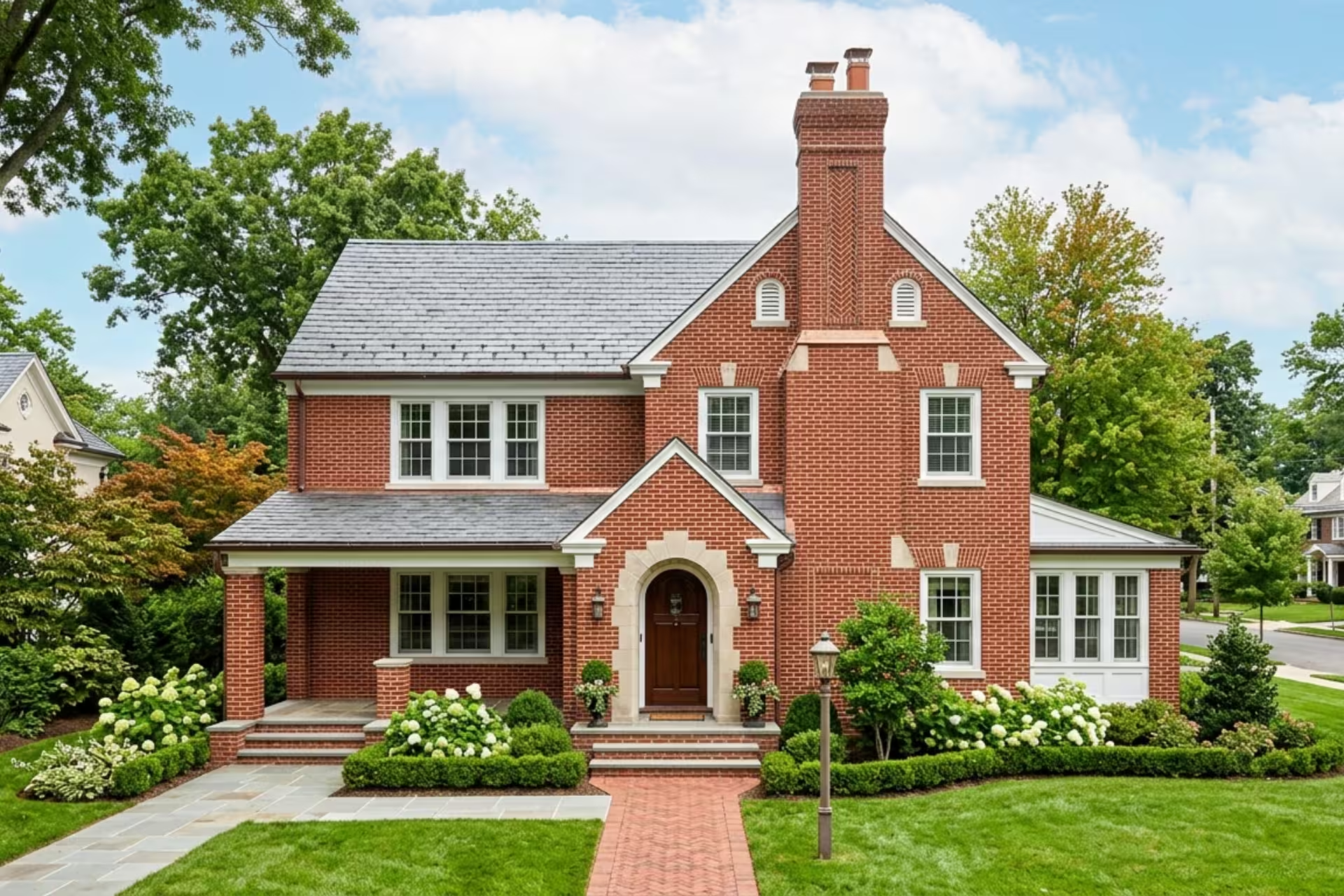
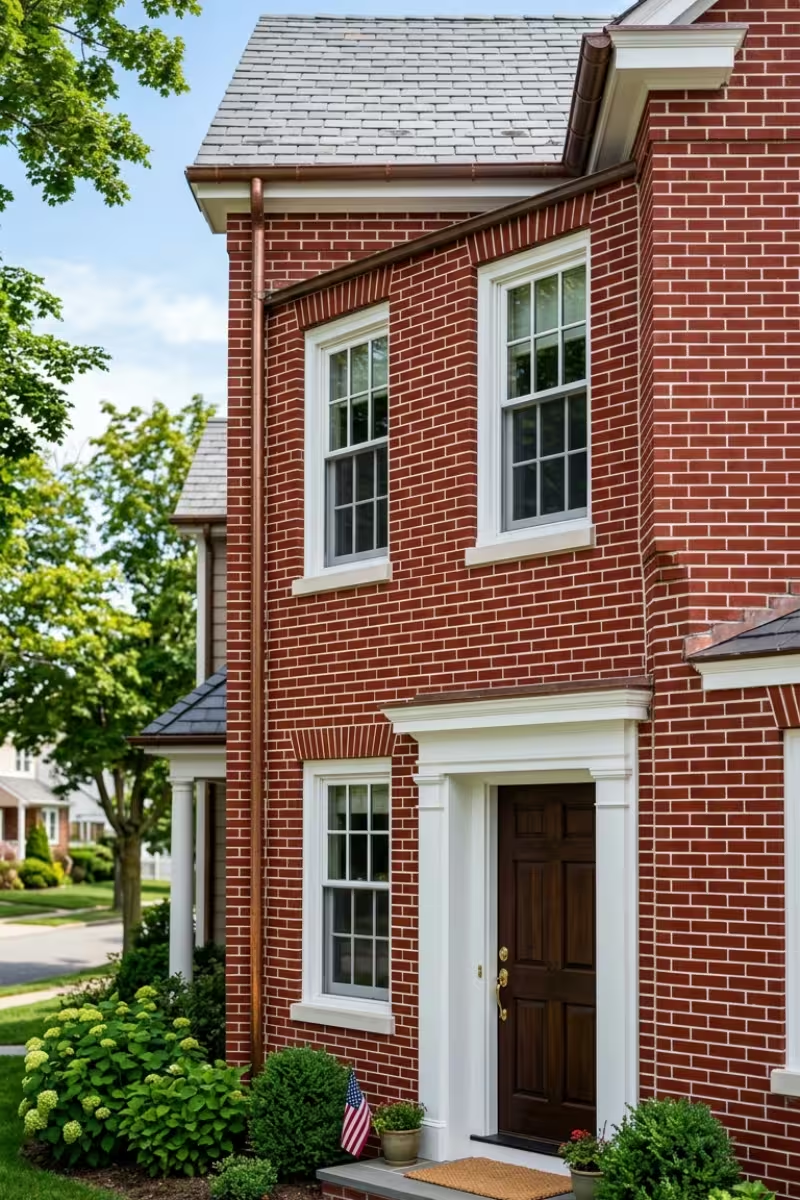
Brick repointing restores deteriorated mortar joints between brick units.
Brickwork may need repointing when the mortar becomes powdery, recessed, cracked, or missing. If the joints remain open, water can enter the wall and contribute to spalling bricks, loose masonry, staining, interior dampness, and freeze damage.
Brick repointing is common for walls, chimneys, steps, stoops, foundations, patios, and older masonry facades.
Stone masonry often has deeper and more irregular joints than brickwork. Stone repointing requires careful preparation because the shape, depth, and width of each joint may vary.
Loose or missing mortar in stonework can allow water to enter deep into the wall. Repointing helps stabilize the stone units and reduce continued deterioration.
Older stone foundations may also require compatible mortar to avoid trapping moisture or damaging the masonry.
Chimneys are highly exposed to weather and often experience faster mortar deterioration than protected walls.
A chimney leak may not come only from the mortar joints, so the crown, cap, flashing, and roof transition should also be reviewed.
Foundation repointing restores deteriorated mortar in stone, brick, or block foundation walls.
Foundation mortar may fail because of groundwater, poor drainage, age, basement moisture, soil pressure, and freeze-and-thaw exposure.
If water pressure remains active, repointing may need to be combined with drainage or basement waterproofing.
Retaining walls are exposed to both weather and soil pressure. Water trapped behind the wall can wash out mortar joints and increase movement.
If the wall is leaning, bowing, or shifting significantly, repointing alone may not be enough. Drainage and structural stability should be evaluated.
Steps and stoops are exposed to foot traffic, ice, snow, salt, and water. Open mortar joints can allow moisture beneath treads and into the structure.
If the stoop has settled, separated from the house, or has unstable sidewalls, rebuilding may be required instead of simple repointing.
Replacement mortar should be selected carefully. The goal is not only to match the appearance but also to use mortar that is compatible with the existing masonry.
Mortar that is too hard may damage older or softer brick and stone. Mortar that is too weak may erode too quickly.
The joint profile affects both appearance and water shedding.
Optane Masonry matches the joint style to the existing masonry where practical and appropriate. The finish should look clean while helping water shed properly.
Some masonry repairs fail because new mortar is applied only to the surface without removing the deteriorated material underneath.
Proper repointing requires careful removal, cleaning, depth preparation, compatible mortar, and controlled finishing.
Water is one of the biggest causes of mortar failure.
Repointing may need to be coordinated with drainage, roofing, chimney, foundation, or basement waterproofing services to reduce recurring damage.
A good inspection helps determine whether mortar repair is enough or whether a larger masonry rebuild is needed.
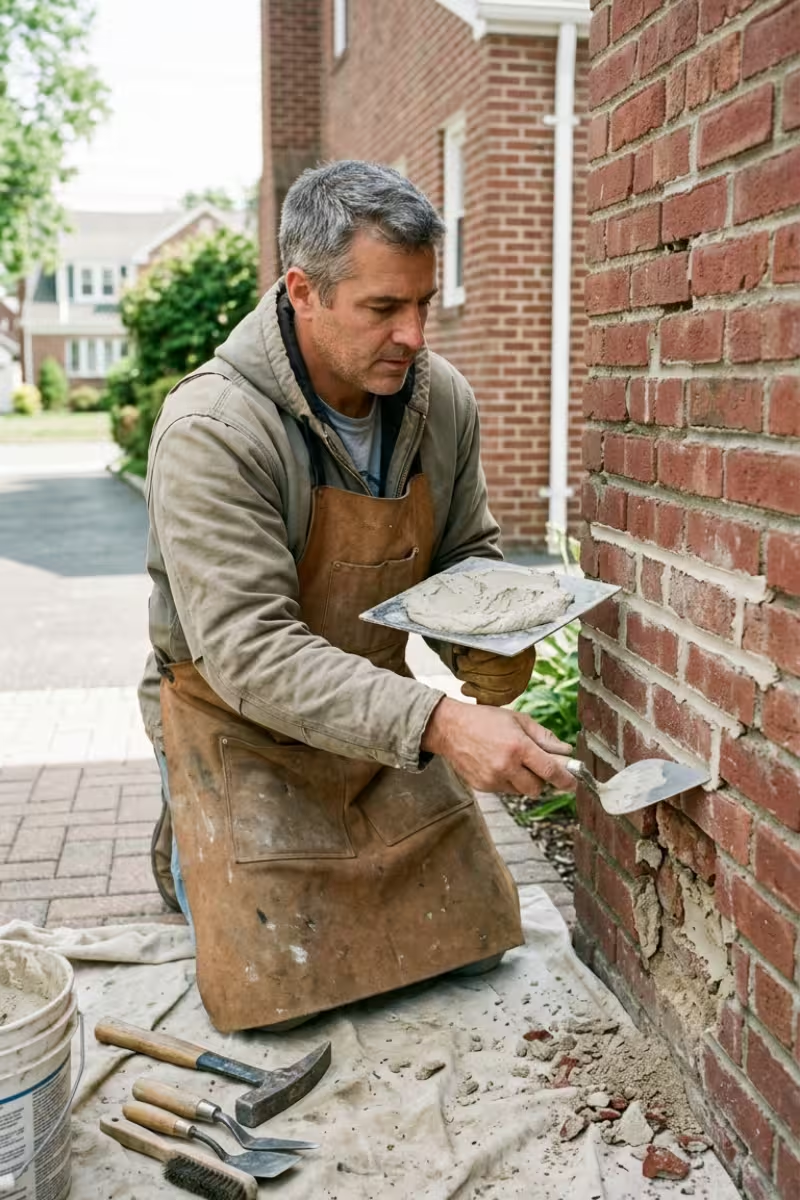
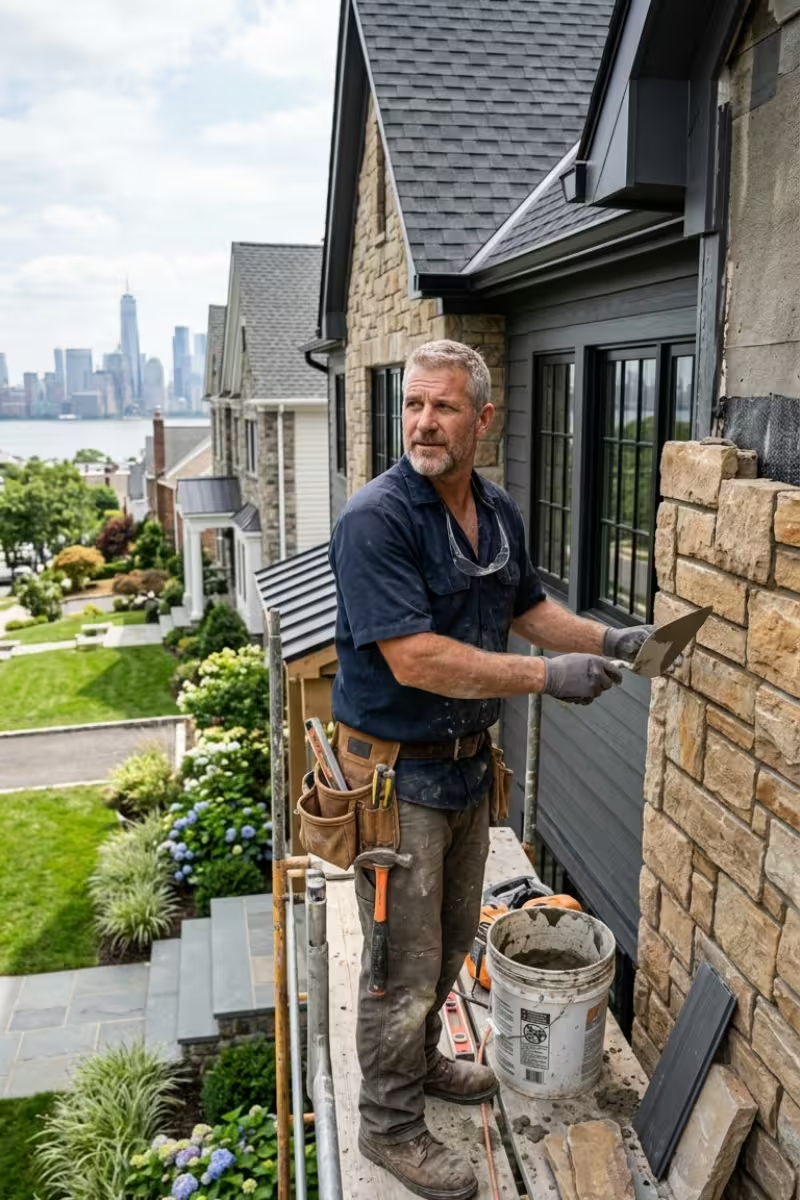
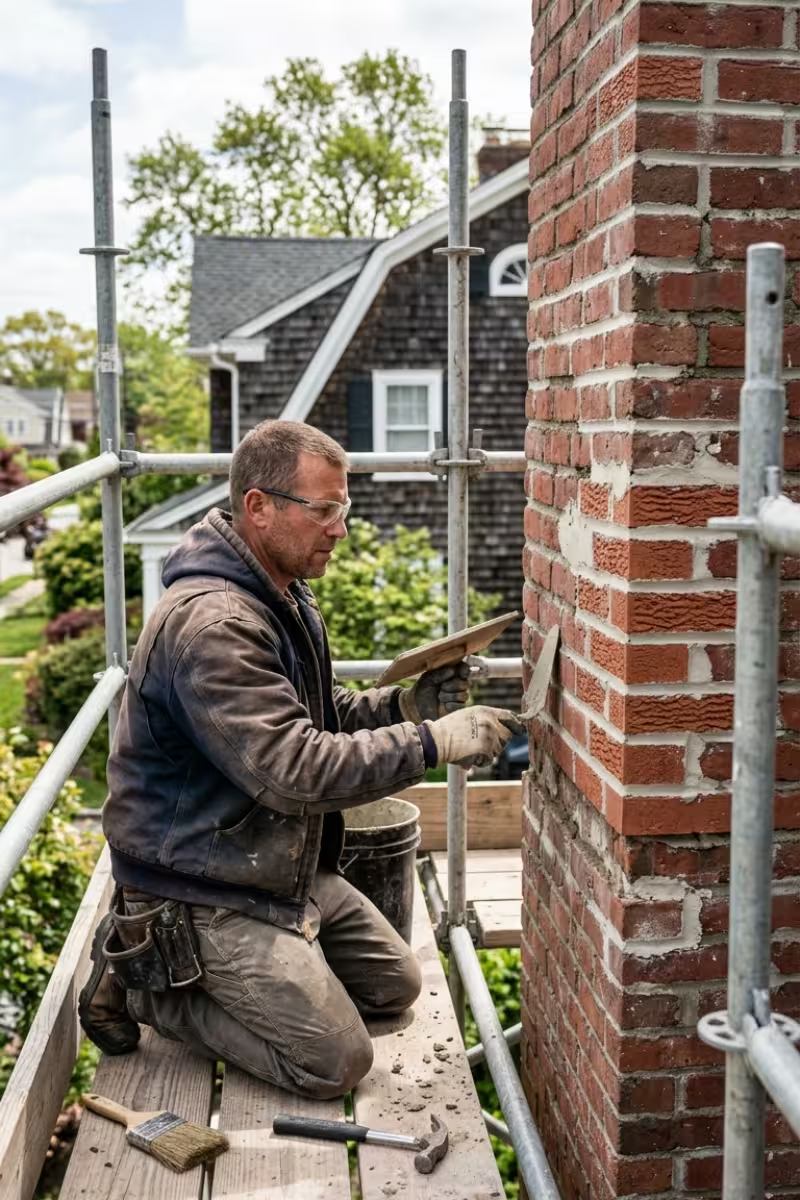
We inspect the brick, stone, block, mortar joints, cracks, alignment, water exposure, and previous repairs.
Damaged mortar is removed to a suitable depth without unnecessarily damaging the surrounding masonry.
The prepared joints are cleaned so the new mortar can bond properly.
Replacement mortar is selected for the existing masonry, exposure, color, texture, and repair needs.
New mortar is installed and compacted into the prepared joints.
The joints are tooled to the proper profile and finished to blend with the surrounding masonry.
The repaired area is reviewed for consistency, stability, appearance, and related water-entry concerns.
Homeowners across New York and New Jersey choose Optane Masonry for repointing and tuckpointing because we understand how mortar failure connects with water, foundations, chimneys, steps, drainage, and exterior masonry.
Providing masonry, foundation, drainage, roofing, and home improvement services across communities throughout New York.
Serving New Jersey property owners with reliable masonry, foundation, drainage, roofing, and exterior improvement solutions.
For brick repointing, stone repointing, tuckpointing, chimney repointing, foundation repointing, retaining wall repointing, step repair, or mortar-joint restoration in New York and New Jersey, contact Optane Masonry and Home Improvements.
Repointing removes deteriorated mortar and replaces it with new compatible mortar. Tuckpointing may also create a cleaner, more defined joint appearance, especially on brickwork.
Common signs include crumbling mortar, missing joints, recessed mortar, loose bricks or stones, water staining, white mineral deposits, and mortar pieces falling from the wall.
Yes. Repointing can reduce water entering through failed mortar joints, but leaks from roofs, flashing, foundations, drainage, or chimney crowns may need additional repair.
A thin surface layer is usually not a dependable repair. Failed mortar should be removed to a suitable depth before new mortar is installed.
Rebuilding may be needed when the wall, chimney, step, foundation, or retaining wall is leaning, bulging, loose, displaced, or severely deteriorated beyond the mortar joints.
914-438-8461
201-982-2375